New Year, Lower Bills: HVAC Resolutions That Actually Save Money in 2026
As we approach the new year, most of us are thinking about resolutions (ie, getting in shape, eating healthier, and spending more time with family). But here’s a resolution that can actually improve your quality of life while putting money back in your pocket: optimizing your HVAC system for maximum efficiency.
At Absolute Comfort Heating & Air Conditioning, we’ve helped countless Orange County homeowners reduce their energy bills without sacrificing comfort. The secret? Small, consistent actions that compound into significant savings over time.
Unlike gym memberships that get abandoned by February, these HVAC resolutions are easy to keep and deliver measurable results you’ll appreciate every month when your utility bill arrives.
Resolution #1: Commit to Monthly Filter Checks
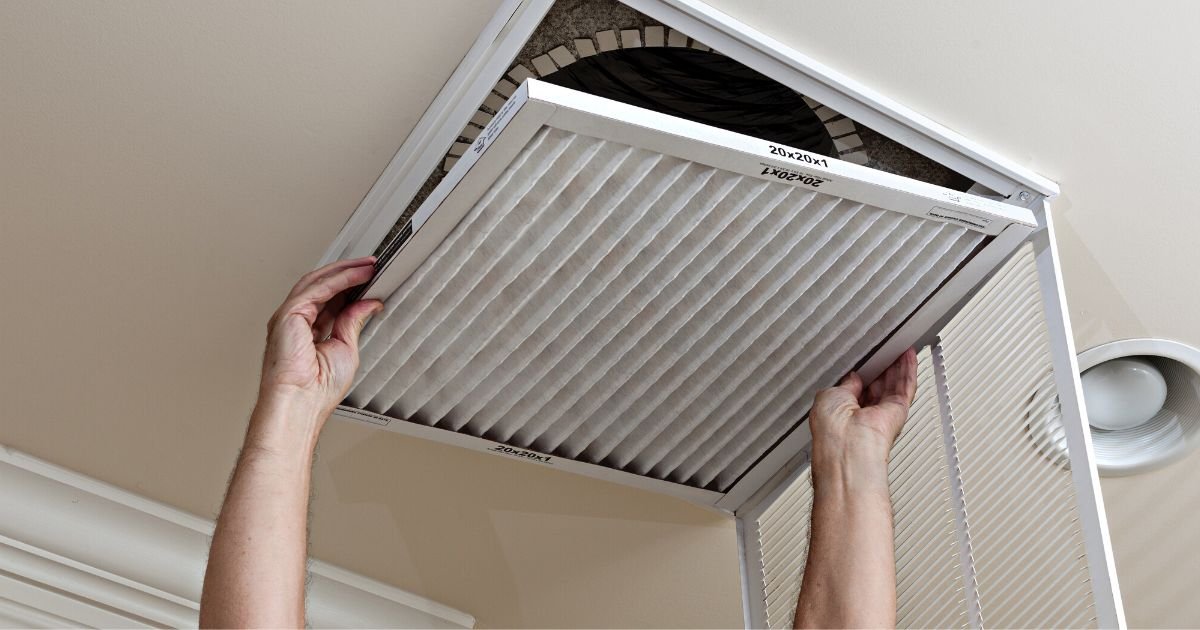
This is the easiest and most impactful resolution you can make. Yet it’s the one most homeowners neglect.
Set a recurring reminder on your phone for the first day of each month. Take two minutes to check your air filter. If it’s dirty, replace it. If it’s relatively clean, recheck it next month.
A clogged filter forces your HVAC system to work harder, increasing energy consumption by up to 15%. Over a year, that’s like throwing away $150-$300 on completely preventable waste.
Think of it this way: would you drive your car for years without changing the oil? Your HVAC filter serves a similar protective function. Investing a few dollars per month in filters can prevent thousands in repair costs and significantly reduce energy consumption.
Make it even easier by subscribing to a filter delivery service that sends replacements to your door on a regular schedule. Remove the friction, keep the resolution.
Resolution #2: Schedule Two Professional Tune-Ups in 2026
Just as you wouldn’t skip your annual physical, don’t skip your HVAC maintenance. But here’s the upgrade for 2026: schedule two tune-ups instead of one—one in spring before cooling season, and one in fall before heating season.
Professional maintenance catches minor problems before they become expensive emergencies. A refrigerant leak discovered during a spring tune-up might cost $200 to fix. Wait until mid-summer to have your AC fail completely? That same repair plus emergency service could run $800 or more.
During maintenance visits, technicians clean components, tighten connections, lubricate moving parts, and ensure your system operates at peak efficiency. Studies show that well-maintained HVAC systems operate 20-30% more efficiently than neglected ones.
The cost of two annual tune-ups typically pays for itself through energy savings alone, not to mention the extended system lifespan and avoided repair costs. It’s an investment, not an expense.
Resolution #3: Master Your Programmable Thermostat
That programmable thermostat on your wall? It could be saving you hundreds of dollars per year. But only if you actually program it.
According to the Department of Energy, you can save 10% annually on heating and cooling by adjusting your thermostat 7-10 degrees for eight hours per day. For Orange County homeowners, that translates to roughly $150-$200 in annual savings.
Take 30 minutes in early January to set up a schedule that matches your lifestyle. Typical energy-saving settings include lowering the temperature while you sleep and when you’re at work, then automatically adjusting to a comfortable level before you wake up or arrive home.
If you don’t have a programmable thermostat yet, consider upgrading to a smart model. Modern thermostats learn your patterns, adapt to weather changes, and provide energy usage reports that help you optimize even more. Many utility companies offer rebates that significantly reduce the upfront cost.
The key is to set it and forget it. Once programmed, your thermostat works invisibly in the background, consistently saving energy without requiring any thought or effort on your part.
Resolution #4: Seal Leaks and Improve Insulation
Hot or cold air escaping through gaps, cracks, and poorly insulated spaces is like burning dollar bills. You’re paying to condition air that immediately leaks outside.
Dedicate one weekend in January to air-sealing your home. Check around windows and doors for drafts. Inspect where pipes and wires enter your home. Look at the weatherstripping on exterior doors. Feel around exterior wall electrical outlets for airflow.
Seal gaps with caulk or weatherstripping, materials that cost just a few dollars but can reduce heating and cooling costs by 10-20%. For larger projects like attic insulation upgrades, the investment typically pays for itself within 2-5 years through energy savings.
Don’t forget about your ductwork. If you have accessible ducts in your attic or crawl space, check for disconnected sections or visible gaps. Duct leaks can waste 20-30% of your heated or cooled air. Professional duct sealing might be worthwhile if you notice significant temperature differences between rooms.
Resolution #5: Optimize Airflow Throughout Your Home
Your HVAC system can only distribute comfort effectively if air can flow freely. Yet many homes have chronic airflow problems that waste energy and create uncomfortable hot or cold spots.
Walk through your home and check every vent. Furniture pushed against registers, storage boxes stacked over returns, and closed vents in unused rooms all restrict airflow and reduce efficiency.
Keep vents in all rooms open, even in spaces you don’t use regularly. Closing vents doesn’t save energy; it actually forces your system to work harder and can damage components over time. Modern HVAC systems are designed to efficiently condition the entire home.
Make it a habit to periodically vacuum dust from vent covers and ensure curtains or other décor aren’t blocking airflow. Consider rearranging furniture if pieces are positioned over vents or returns.
For homes with persistent hot or cold spots, ceiling fans can improve comfort without increasing energy costs. Use them counterclockwise in summer to create a cooling breeze, and clockwise in winter to push warm air down from the ceiling.
Resolution #6: Use Natural Climate Control
Take advantage of free heating and cooling from nature; it doesn’t get more efficient than that.
In winter, open curtains on south-facing windows during the day to let sunshine warm your home naturally. Close them at night to reduce heat loss through windows. Passive solar heating can significantly reduce your daytime heating needs.
In summer, do the opposite. Keep curtains and blinds closed during the hottest part of the day, especially on west-facing windows. Open windows in the evening when outdoor temperatures drop to take advantage of natural cooling and fresh air circulation.
Strategic use of window coverings works with your HVAC system rather than against it, reducing the work it has to do and how often it needs to run.
Resolution #7: Consider Upgrading to a High-Efficiency System
If your current system is more than 15 years old, it’s likely operating at 60% or less of the efficiency of modern equipment. A new high-efficiency system could cut your heating and cooling costs in half.
While the upfront investment is significant, financing options make it manageable, and the combination of energy savings, available rebates, and tax credits can make the payback period surprisingly short, often 5-7 years for Orange County homeowners.
Modern systems also offer features your old unit can’t match: smart home integration, variable-speed operation for consistent comfort, advanced air filtration, and quieter operation.
Even if you’re not ready for a complete replacement, consider efficiency upgrades such as variable-speed air handlers or smart thermostats to improve your existing system’s performance.
Resolution #8: Monitor and Track Your Energy Usage
What gets measured gets managed. Start tracking your monthly energy bills to identify patterns and measure the impact of your efficiency efforts.
Many utility companies now offer online tools that show daily energy consumption. Use these to identify unusual spikes that might indicate problems. A sudden increase in usage could signal an HVAC issue that needs attention before it becomes expensive.
Smart thermostats also provide energy reports showing exactly how much you spend on heating and cooling each month. These insights help you understand which changes have the most significant impact on your bills.
Set a specific savings goal, perhaps reducing your energy bills by 15% compared to 2025. Having a concrete target makes it easier to stay motivated and committed to efficiency practices.
The Compound Effect of Small Changes
Here’s the exciting part: these resolutions work together to create compound savings that dramatically exceed what any single action would achieve on its own.
Replace filters monthly, maintain your system correctly, use your programmable thermostat effectively, seal air leaks, and optimize airflow. Suddenly, you’re looking at potential energy savings of 30-40% or more. For the typical Orange County household, that could mean $500-$800 back in your pocket annually.
Better yet, these aren’t sacrifices. You’re not giving anything up or compromising comfort. In fact, most homeowners find that their homes actually become more comfortable as systems run more efficiently with fewer hot or cold spots.
Making Resolutions Stick
The difference between resolutions that last and those that fizzle by Valentine’s Day often comes down to systems and accountability.
For HVAC resolutions, create systems that ensure success. Set up recurring reminders for filter checks, schedule maintenance appointments for the entire year, and automate temperature adjustments with programmable thermostats.
Consider creating a simple home maintenance log, either digital or physical, where you track filter changes, maintenance visits, and any issues you notice. This creates accountability and helps you spot patterns over time.
Start Strong with Professional Support
The best time to start these resolutions is right now, before the new year even arrives. Don’t wait for January 1st, get a head start by scheduling your first maintenance appointment and having a professional assess your system’s current efficiency.
Ready to make 2026 your most energy-efficient year yet? Contact Absolute Comfort today to schedule a comprehensive system evaluation. Our experienced technicians can identify specific opportunities for savings in your home and help you create a personalized efficiency plan.
Your future self—and your bank account—will thank you for making these simple but powerful HVAC resolutions. Here’s to a comfortable, efficient, and more affordable 2026!
For Professional Heating & Cooling Services in Costa Mesa, CA, Contact Absolute Comfort at 949-844-5840, Or Request Service Online.
Frequently Asked Questions
How much money can I really save with these HVAC resolutions?
Most Orange County homeowners can save 20-40% on heating and cooling costs by implementing these efficiency measures. For a typical household spending $1,500-$2,000 annually on HVAC energy costs, that translates to $300-$800 in savings per year. The exact amount depends on your current system condition, home size, and usage patterns.
What’s the single most effective resolution for saving energy?
Regular filter changes, combined with professional maintenance, deliver the biggest impact with the least effort and cost. These two actions alone can improve system efficiency by 15-25%, prevent expensive breakdowns, and extend your equipment’s lifespan by years. If you adopt only two resolutions, make them these.
How often should I really change my air filter?
Check your filter monthly and replace it when it appears dirty or clogged. The frequency depends on factors like pets, indoor air quality, and system usage. During heavy use seasons (summer and winter in Orange County), you may need monthly replacements. During mild weather, filters might last 2-3 months. Never go longer than 3 months without checking.
Are programmable thermostats worth the investment?
Absolutely. A programmable or smart thermostat typically pays for itself within 1-2 years through energy savings. The Department of Energy estimates annual savings of 10% in heating and cooling costs by simply using programmable temperature setbacks. Smart thermostats offer additional benefits, such as remote access, energy reports, and learning algorithms that automatically optimize comfort and efficiency.
Should I close vents in rooms I don’t use to save energy?
No, this is a common misconception. Modern HVAC systems are designed to efficiently heat or cool your entire home. Closing vents increases system pressure, forces your equipment to work harder, and can even damage components. Instead, keep all vents open and use your thermostat to manage overall temperature.
How do I know if my HVAC system needs to be replaced?
Consider replacing your system if it’s over 15 years old, requires frequent repairs, shows significantly higher energy bills, or provides inconsistent temperatures throughout your home. A professional evaluation can assess your system’s remaining lifespan and help you understand whether repair or replacement makes better financial sense.
What’s the best time of year to schedule HVAC maintenance?
Schedule maintenance twice annually, in spring, before you need cooling, and in fall, before you need heating. Early-season maintenance (March-April for AC, September-October for heating) ensures your system is ready for peak demand periods and often offers better availability and pricing than emergency mid-season service.
Can I really see results from these changes within the first month?
Yes, many of these resolutions deliver immediate results. Replacing a dirty filter, adjusting your thermostat schedule, and sealing obvious air leaks can reduce your next energy bill by a noticeable amount. More comprehensive improvements, like professional maintenance and system upgrades, show their full value over an entire season, but you’ll often notice improved comfort and performance right away.