fb pixel
Skip to main content
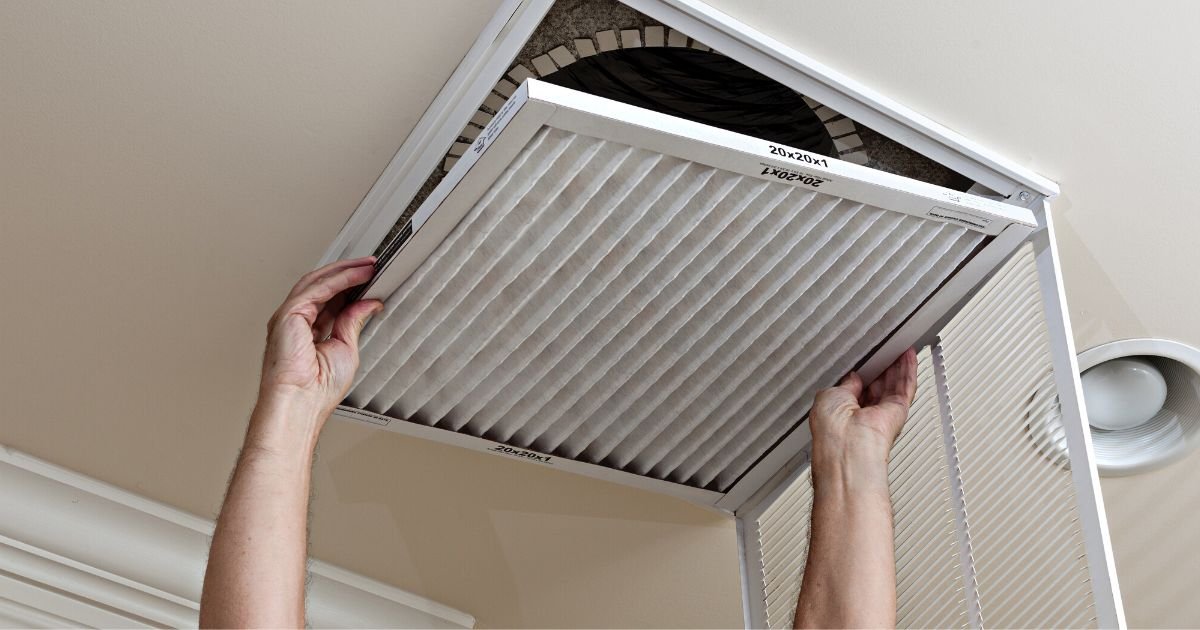
Performing HVAC maintenance by changing air filters

HVAC Myths Debunked: What Your Neighbor Got Wrong About Air Conditioning

Every neighborhood has one: the guy who swears he knows exactly how to keep your AC bill low and your house cool. He means well, but a lot of that advice has been passed around so many backyard fences that nobody remembers where it started, or whether it was ever true.

Some of the most common HVAC myths sound reasonable on the surface, which is exactly why they stick around. Here’s what’s actually true, according to the technicians who work on these systems every day.

Myth 1: Cranking the Thermostat Way Down Cools Your Home Faster

Setting the thermostat to 60 when you really want 72 feels like it should give the system a head start. It doesn’t. Your air conditioner cools at the same rate no matter what temperature you set.

All that lower setting does is make the system run longer than needed, since it keeps cooling until the house reaches that number. The result is a colder house than you wanted and a higher energy bill for the effort. Set the thermostat to the temperature you actually want and let the system get there on its own schedule.

Myth 2: Closing Vents in Unused Rooms Saves Energy

This one sounds logical: if a room is empty, why cool it? In practice, closing vents can do more harm than good.

Central heating and air conditioning systems are designed around a certain amount of airflow moving through the ductwork. Shut too many vents and pressure builds up in the system, which can cause air to leak out through duct seams, strain the blower motor, and even lead to frozen evaporator coils in the summer. Instead of closing vents, consider a zoning system if certain rooms consistently need different temperatures.

Myth 3: A Bigger AC Unit Cools Better and Faster

More power sounds like it should mean more comfort, but an oversized air conditioner actually creates problems rather than solves them.

  • It cools the air quickly but shuts off before it can remove humidity, leaving the home feeling clammy.
  • Frequent on-and-off cycling wears out components faster than steady, longer run times.
  • Energy bills climb because short-cycling is less efficient than a properly sized system operating normally.

The right size for your air conditioner depends on your square footage, insulation, window placement, and local climate, which is why a proper load calculation matters more than choosing the largest unit available.

Myth 4: You Only Need a Technician When Something Breaks

Waiting for a breakdown before calling for service usually costs more in the long run, not less. Regular maintenance catches small issues, such as a failing capacitor, a dirty coil, or a refrigerant leak, before they turn into a full system failure on the hottest day of the year.

The U.S. Department of Energy notes that routine maintenance keeps HVAC equipment running at its intended efficiency and helps systems reach their full expected lifespan. Skipping it tends to shorten the equipment’s lifespan and increase energy costs.

Myth 5: Ceiling Fans Cool a Room the Same Way an AC Does

Ceiling fans feel great, but they don’t lower a room’s temperature at all. What they do is move air across your skin, which speeds up evaporation and makes you feel cooler.

That’s genuinely useful for comfort, and running fans alongside your AC can let you raise the thermostat a couple of degrees without noticing a difference. But a fan running in an empty room does nothing except use electricity, since there’s no one there to feel the effect.

Why This Matters for Your Home Comfort

Bad HVAC advice usually comes from somewhere reasonable. A neighbor who noticed their bill went down one month after making a change, or a habit passed down from parents who dealt with older, less efficient equipment. But acting on the wrong advice can shorten your system’s lifespan, spike your energy bills, or leave your home less comfortable than before you made the change.

When something about your system doesn’t add up, whether it’s a strange noise, an unusually high bill, or advice you’re not sure about, a quick conversation with a licensed technician settles it faster than another round of guesswork.

Get the Real Answers From Absolute Comfort

Absolute Comfort Heating & Air Conditioning has served Costa Mesa and the surrounding Orange County communities for over 30 years. Our certified technicians won’t upsell you on something you don’t need; we’ll just tell you what’s actually going on with your system.

Call us at 949-844-5840 or request service online if your AC needs a second opinion, or a first one.

Frequently Asked Questions

Q: Does setting my thermostat lower actually cool my house faster?

A: No. Your air conditioner cools at a fixed rate regardless of the temperature you set. Setting it far below your target just means the system runs longer than it needs to.

Q: Is it bad to close air vents in rooms I don’t use?

A: Yes, in most cases. Central systems are designed for a certain amount of airflow, and closing too many vents can increase pressure in the ductwork, strain the blower, and even cause the coil to freeze.

Q: How often should I schedule HVAC maintenance if nothing seems wrong?

A: Most manufacturers and technicians recommend a maintenance visit at least once a year, ideally before the season the system works hardest, to catch small issues before they become expensive repairs.

Q: Will a bigger air conditioner cool my home better?

A: Not necessarily. An oversized unit often cools the air quickly but shuts off before removing enough humidity, leaving a home feeling clammy despite a lower temperature reading.
Constant Repairs? 5 Signs It’s Time to Replace Your AC Unit, Not Repair It

As the temperatures rise, a reliable air conditioner is not a luxury. It is a necessity for comfort and safety in your home. But what happens when your once dependable AC unit starts needing constant attention? It can be difficult to know when to repair a system and when to invest in a replacement. Throwing good money after bad on an aging unit is a frustrating cycle many homeowners face.

Making the right decision requires looking at the bigger picture. While a single, minor repair is often justified, a pattern of failures is a clear signal. Here are five key signs that indicate it is time to replace your AC unit, not repair it again.

1. Your AC System Is Over 10 Years Old

Age is one of the most significant factors in the repair versus replace equation. Even a well-maintained air conditioner has a limited lifespan, typically between 10 and 15 years.

The Downside of Aging Components: As your AC unit ages, its efficiency naturally declines. More importantly, the likelihood of major component failures, such as the compressor or coil, increases dramatically. Repairing these core components is one of the most expensive fixes and is often not a wise investment on a system nearing the end of its life. Modern systems are significantly more energy efficient. Continuing to repair an old, inefficient unit means you are paying more in monthly energy bills on top of the cost of repairs.

2. You Are Facing Frequent or Costly Repairs

Every system will need an occasional repair. However, if you find yourself calling for service once or twice every summer, you are dealing with a systemic problem.

The Vicious Cycle of Repairs: An aging system often enters a downward spiral where one repaired part puts new stress on another aging part, leading to the next failure. This cycle is not only expensive but also incredibly inconvenient. A good rule of thumb is the “5,000 Rule.” Multiply the age of your equipment by the repair cost. If the result is more than $5,000, replacement is usually the better option. For example, a $1,200 repair on a 12-year-old unit (12 x 1,200 = 14,400) clearly points toward replacement.

3. Your Energy Bills Are Consistently Rising

Have you noticed a steady, unexplained increase in your summer electricity bills? While rates can fluctuate, a significant and consistent jump is often a red flag that your air conditioner is losing its efficiency.

The Cost of Inefficiency: As components within your AC wear down, the system must run longer and work harder to achieve the same cooling effect. This increased runtime translates directly to higher energy consumption. New air conditioners must meet strict government efficiency standards (SEER ratings). Upgrading to a modern, high-efficiency unit can reduce your cooling costs by 20 percent or more, savings that can help offset the cost of the new system over time.

4. Your Home Has Uneven Cooling or Humidity Problems

Your AC’s job is not just to cool the air. It is also used to remove humidity and maintain consistent comfort throughout your home. If you notice certain rooms are much warmer than others, or if the air in your home feels constantly damp and clammy, your system may be struggling to perform its basic functions.

The Symptom of a Failing System: Uneven cooling can be a sign that your AC unit is no longer the right size for your home, or that its ability to distribute air has been compromised. Similarly, an aging unit may cool the air but fail to run long enough in a cycle to properly remove humidity. This not only affects comfort but can also promote mold and mildew growth. A new, properly sized system will be designed to solve these specific comfort issues.

5. Your AC Uses R-22 Refrigerant

If your AC unit was installed before 2010, it likely uses R-22 refrigerant, commonly known as Freon. Due to its ozone-depleting properties, the production and import of R-22 were phased out in the United States as of January 1, 2020.

The Refrigerant Dilemma: This phase-out means that R-22 is now extremely expensive and difficult to obtain. If your system develops a refrigerant leak, the cost to recharge it with R-22 can be prohibitively high, often amounting to thousands of dollars. Furthermore, it is only a temporary fix for a leaking system. Investing in a major repair on an R-22 system is not financially sensible when a leak is inevitable. All new systems use environmentally friendly refrigerants that are readily available.

Making the Final Decision

Choosing to replace your air conditioner is a significant investment. However, it is also an investment in your home’s comfort, efficiency, and value. Modern systems are quieter, more reliable, and far more economical to operate.

If you recognize two or more of these signs with your current AC unit, the team at Absolute Comfort is here to help. We can provide a straightforward, no-pressure assessment of your system, compare the costs of repair versus replacement, and explain the potential energy savings and benefits of a new, high-efficiency model. Do not let another summer of constant repairs and high bills frustrate you. Explore your options for a permanent, cost-effective solution to your cooling needs.


The Best Thermostat Settings for Maximum Comfort and Energy Efficiency Year-Round

Finding the perfect balance between comfort and energy efficiency can be a challenge, especially when it comes to thermostat settings. With fluctuating temperatures and rising energy costs, knowing how to optimize these settings can make a significant difference in both comfort levels and monthly bills.

Understanding the best thermostat settings can help homeowners create a cozy environment while minimizing energy waste. Whether it’s summer or winter, simple adjustments can lead to substantial savings and a more pleasant living space. This guide will explore the ideal thermostat settings that cater to both comfort and efficiency, ensuring a home that feels just right all year round.

Understanding Thermostat Basics

Thermostats play a crucial role in regulating indoor temperatures. They maintain comfort while optimizing energy usage.

What Is a Thermostat?

A thermostat is a device that automatically controls heating and cooling systems. Key types include:

  • Mechanical Thermostats: Simple, cost-effective options that use a bimetallic strip to sense temperature changes.
  • Digital Thermostats: Provide precise temperature settings and often include programmable features.
  • Smart Thermostats: Learn user preferences over time and can be controlled remotely via smartphone applications.

How Thermostats Work

Thermostats monitor indoor temperatures and communicate with HVAC systems. They operate through a feedback loop, where:

  • Temperature Sensors: Detect current indoor temperatures.
  • Setpoint Temperature: Users set a desired temperature, which serves as a reference.
  • Control Signals: When the temperature deviates from the setpoint, the thermostat sends signals to the heating or cooling system to activate or deactivate.

This process ensures that indoor environments remain comfortable while conserving energy.

The Best Thermostat Settings for Different Seasons

Optimal thermostat settings vary by season, ensuring comfort and energy efficiency year-round. Adjusting settings during winter and summer helps maintain a pleasant indoor environment while minimizing energy costs.

Winter Settings for Comfort and Efficiency

For winter, setting the thermostat at 68°F (20°C) during the day offers a balance of warmth and energy savings. Lowering the thermostat to 60°F (16°C) at night or when away helps save on heating costs. Utilizing a programmable thermostat enables automatic adjustments, maintaining optimal temperatures without manual changes. Adding additional layers or using warm blankets can enhance comfort, allowing for a slight decrease in heating.

Summer Settings for Comfort and Efficiency

During summer, setting the thermostat at 78°F (26°C) while at home provides comfort while keeping energy use low. When away, increasing the thermostat to 85°F (29°C) helps reduce cooling costs further. Utilizing ceiling fans in conjunction with air conditioning creates a wind-chill effect, enhancing perceived coolness without lowering the thermostat. Regular maintenance of AC units, including filter changes, ensures optimum performance and efficiency, contributing to a comfortable indoor environment.

Tips for Maximizing Comfort and Efficiency

Maximizing comfort and efficiency involves simple strategies that homeowners can implement. Adjusting thermostat settings appropriately leads to significant energy savings while maintaining a pleasant living environment.

Programming Your Thermostat

Programming the thermostat allows for consistent temperature management throughout the day. Set specific schedules for different times, such as lower temperatures during work hours or higher temperatures when returning home. For optimal savings, select a morning setting of 68°F (20°C), and increase it to 70°F (21°C) in the evening. Ensure the settings align with daily routines, as modified programs contribute to lower energy bills.

Utilizing Smart Thermostats

Utilizing smart thermostats provides advanced control over home temperatures. These devices can learn individual habits and adjust settings automatically, ensuring efficiency without sacrificing comfort. For instance, a smart thermostat might lower the temperature when no one is home and raise it shortly before occupants return. Many smart models can be controlled remotely via smartphones, allowing adjustments even when away. Additionally, energy usage reports from smart thermostats help identify patterns, enabling smarter choices and further reducing energy consumption.

Common Mistakes to Avoid

Homeowners often encounter pitfalls in their thermostat settings that reduce comfort and efficiency. Recognizing these common mistakes can lead to better temperature control and lower energy bills.

Incorrect Temperature Settings

Setting the thermostat too high or too low impacts both comfort and utility costs. Many homeowners set their thermostats to 72°F (22°C) during winter nights or 70°F (21°C) on summer days. These settings may cause excessive energy consumption. Instead, a balanced approach of 68°F (20°C) in winter and 78°F (26°C) in summer optimizes comfort while saving energy. Frequent adjustments also confuse older thermostats, leading to inconsistent temperatures. Using programmable or smart thermostats helps maintain ideal conditions automatically.

Neglecting Regular Maintenance

Failing to perform routine maintenance on heating and cooling systems affects efficiency and lifespan. Dirty filters, blocked vents, and neglected coils can reduce airflow and increase energy usage. Regular maintenance, including filter changes every 1-3 months and professional servicing annually, ensures systems operate efficiently. A well-maintained system provides consistent temperatures and prolongs equipment life, preventing costly breakdowns. Homeowners should prioritize these maintenance tasks to enhance performance and comfort.

Conclusion

Finding the right thermostat settings is essential for achieving both comfort and energy efficiency. By implementing the recommended settings for each season and leveraging the capabilities of smart thermostats, homeowners can enjoy a cozy living environment while significantly reducing energy costs.

Regular maintenance of heating and cooling systems plays a crucial role in optimizing performance. By avoiding common thermostat mistakes and adhering to a balanced approach, individuals can ensure their homes remain comfortable year-round.

With a little effort and the right strategies, maximizing comfort and efficiency is within reach.

Frequently Asked Questions

What are the ideal thermostat settings for winter?

For winter, it’s recommended to set your thermostat to 68°F (20°C) during the day. When you’re away or at night, lowering it to 60°F (16°C) can help you save on heating costs while maintaining comfort.

What thermostat setting is best for summer?

In summer, the ideal setting is 78°F (26°C) when you are at home. If you’re away, increasing the setting to 85°F (29°C) can significantly reduce cooling costs.

How do smart thermostats enhance energy efficiency?

Smart thermostats learn your habits and automatically adjust the temperature based on your daily routine. This feature optimizes energy use and provides insights into your energy consumption, helping you save money.

Why is thermostat maintenance important?

Regular maintenance is crucial for heating and cooling systems to operate efficiently. Tasks like changing filters and servicing the units can prolong their lifespan while improving performance and reducing energy usage.