fb pixel
Skip to main content

Heat Pump vs. Conventional AC: Which is the Right Choice for Your Orange County Home?

Living in Orange County means enjoying beautiful weather year-round. But when those classic SoCal heat waves hit, a reliable cooling system isn’t a luxury—it’s a necessity. If you’re considering a new HVAC installation, you’ve likely encountered two primary options: the traditional air conditioner and the versatile heat pump.

Choosing between them is a significant decision for your home’s comfort and your wallet. At Absolute Comfort Heating & Air Conditioning, we believe in empowering homeowners with the knowledge they need to make informed decisions. Let’s break down the key differences to help you determine which system is the right fit for your Orange County home.

The Basics: How Do They Work?

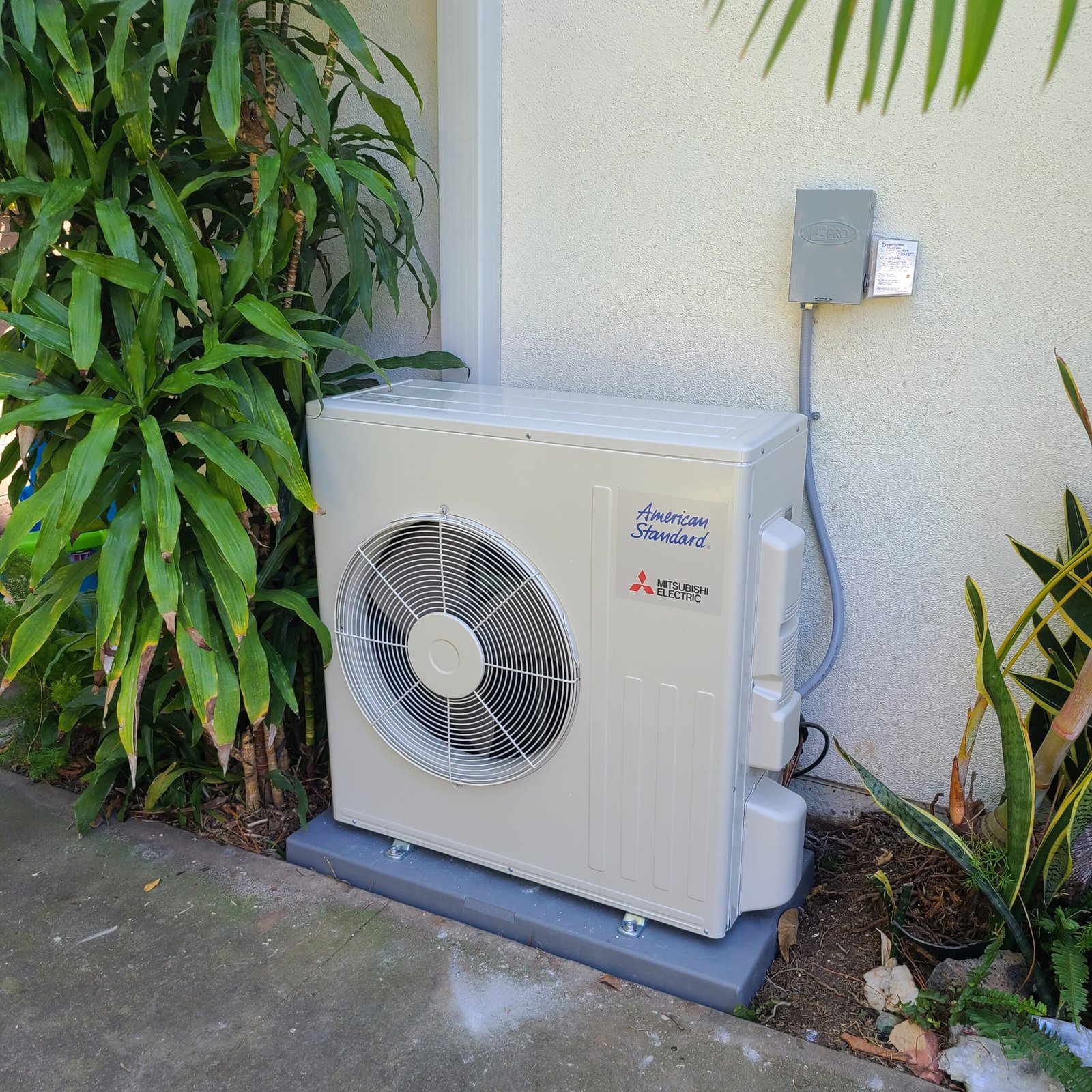
Conventional AC System: This is a split system. An outdoor condenser unit works with an indoor furnace to cool your home. The AC unit removes heat from inside your house and releases it outdoors. For heating, a separate furnace (typically gas) generates warmth.

Heat Pump System: A heat pump looks and functions much like an air conditioner in the summer, moving heat from inside your home to the outside. However, it has a reversing valve that allows it to reverse this process in the winter, extracting ambient heat from the outdoor air (even when it’s cool) and transferring it inside to heat your home.

Breaking Down the Key Differences

Let’s compare the two systems across the factors that matter most to homeowners: functionality, efficiency, cost, and performance in our local climate.

Functionality: All-in-One vs. A Team of Two

A heat pump is an all-in-one solution that provides both cooling and heating from a single unit. A conventional system is a team of two: an air conditioner for cooling and a separate furnace for heating.

Energy Efficiency: The Winner for Our Climate

Heat pumps are extremely efficient because they move heat rather than generate it from a fuel source. This leads to significant energy savings, especially during Orange County’s mild winters. While modern conventional ACs are efficient, the gas furnace side of the system can be less efficient than a heat pump for heating in our specific climate.

Cost: Upfront vs. Long-Term

You’ll typically find a higher initial investment for a heat pump due to the equipment and installation complexity. A conventional AC and furnace setup can often have a lower upfront cost. However, the lower operating costs of a heat pump can help offset that initial investment over time through cheaper monthly energy bills.

Performance in Orange County: A Tight Race

Both systems provide excellent cooling performance. For heating, a heat pump is perfect for our mild winters, while a gas furnace provides powerful, dry heat. For most OC homeowners, a heat pump’s performance is more than sufficient and incredibly efficient.

So, Which One is Right for You? The Orange County Verdict

For most Orange County homeowners, a heat pump is an outstanding choice. Our climate is ideal for its operation. You get incredibly efficient cooling for the summer and highly efficient heating for our brief, mild winter—all from one sleek, modern unit. The year-round energy savings can help offset the higher initial investment over time.

Choose a Conventional AC System if:

  • Your home already has a relatively new and efficient gas furnace that doesn’t need replacing.
  • You prefer the powerful, instantaneous heat of a gas furnace.
  • The initial upfront cost is your primary concern.

Choose a Heat Pump if:

  • You are replacing both your aging AC and your old heater (a very common scenario).
  • You want the latest in energy-efficient technology and lower operating costs.
  • Your home uses electric resistance heat (like old electric furnaces or baseboard heaters)—a heat pump will save you a tremendous amount on your heating bills.
  • You value having a single, streamlined system for both comfort needs.

The Most Important Factor: Professional Installation

No matter which option you choose, the quality of the installation is just as important as the quality of the equipment. Improper sizing or installation can drastically reduce efficiency, comfort, and system lifespan.

Ready to Find Your Perfect Match?

The best way to know for sure is to have an expert evaluate your home. The team at Absolute Comfort specializes in helping Orange County homeowners navigate this exact decision. We’ll assess your home’s layout, insulation, existing ductwork, and your comfort preferences to provide a personalized recommendation.

Schedule Your Free, No-Obligation Installation Consultation Today!

Make an informed investment in your year-round comfort. Contact Absolute Comfort to speak with an expert and get a precise quote tailored to your home.
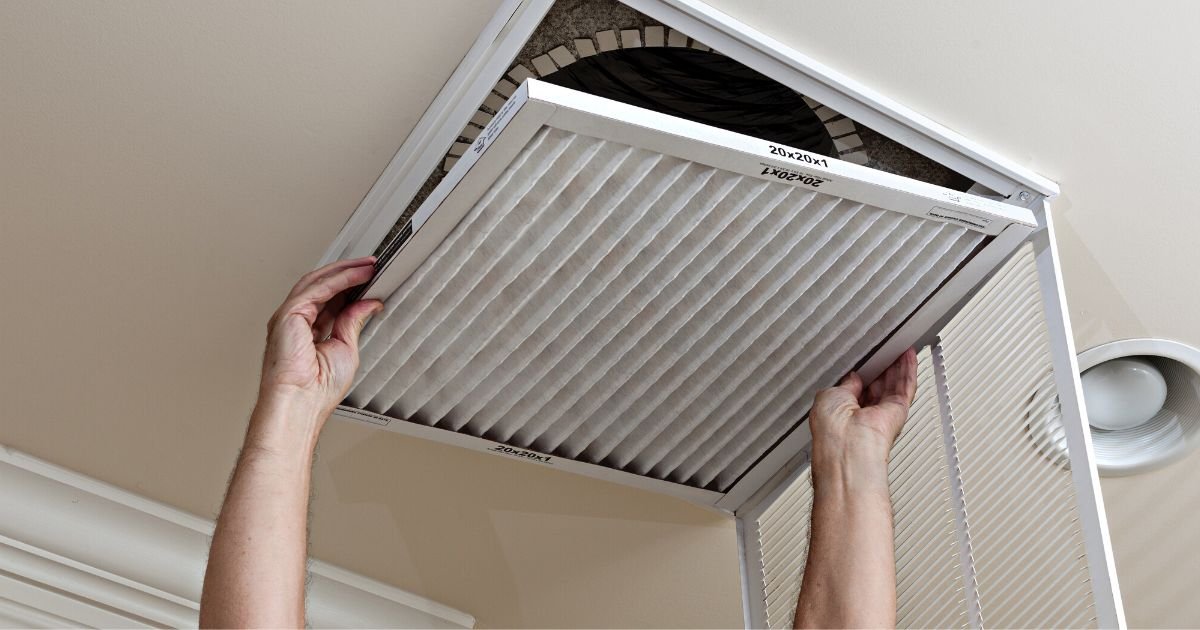
Performing HVAC maintenance by changing air filters

Top Reasons Your Furnace Won’t Turn On (And How to Fix It)

As winter approaches, the last thing anyone wants is a furnace that refuses to turn on. A malfunctioning heating system can lead to uncomfortable temperatures and increased energy bills. Understanding why a furnace might fail to start is crucial for homeowners looking to maintain a cozy environment during the cold months.

Common issues range from simple thermostat problems to more complex electrical failures. Identifying these problems early can save time and money, ensuring a warm home when it’s needed most. This article explores the top reasons your furnace won’t turn on and offers practical solutions to get it running again.

Common Causes of Furnace Failures

Furnaces can fail to turn on for several reasons. Understanding these issues helps homeowners in Orange County identify problems early and ensure efficient heating.

Thermostat Issues

Thermostat problems often trigger furnace failures. Dead batteries can prevent proper operation. Users should check battery levels and replace them if necessary. Incorrect temperature settings can also lead to malfunction. Adjusting the thermostat to the desired temperature might resolve the issue. Additionally, a malfunctioning thermostat may require replacement.

Power Supply Problems

Power supply issues commonly disrupt furnace operation. Circuit breakers may trip due to overload, cutting power to the unit. Homeowners should inspect the breaker box and reset any tripped breakers. Faulty electrical components can also cause power failures. It’s essential to check for damaged wires or connections that might require professional repair.

Clogged Filters

Clogged filters can obstruct airflow, leading to overheating and shutdowns. Filtration systems should be checked monthly during the heating season. Replacing filters every 1-3 months, depending on usage, maintains optimal airflow. Ignoring clogged filters may result in more severe furnace damage, leading to costly repairs.

Safety Features to Consider

Understanding safety features in a furnace is crucial for its proper operation. These components prevent malfunctions and ensure safe heating in homes.

Limit Switches

Limit switches serve as crucial safety devices that monitor furnace temperature. When the furnace overheats, limit switches trigger an automatic shutdown to prevent damage or fire hazards. Homeowners should check this component if the furnace won’t turn on; a malfunctioning limit switch could inhibit operation. Regular maintenance can ensure that limit switches function properly, preventing issues before they arise.

Flame Sensors

Flame sensors detect the presence of a flame in the furnace. If they malfunction or become dirty, they can falsely signal the system to shut down, preventing heat generation. Cleaning or replacing the flame sensor can restore furnace operation, ensuring it safely ignites and maintains heat. Regular checks of flame sensors help maintain efficiency and safety, allowing for prompt heating when needed.

Troubleshooting Steps

Troubleshooting a furnace that won’t turn on requires systematic checks to identify the issue. Here are essential steps to follow for effective diagnostics.

Checking the Thermostat

Checking the thermostat remains the first step. Ensure it’s set to heating mode and the desired temperature exceeds the current room temperature. If it runs on batteries, replace them if low. Inspect the wiring for loose connections. Clean the thermostat to remove dust or debris that could interfere with its operation.

Inspecting the Air Filter

Inspecting the air filter is crucial for proper furnace function. Locate the filter and examine its condition. If it’s dirty or clogged, replace it to improve airflow and efficiency. A clean filter reduces strain on the system and prevents overheating, enhancing overall performance.

Examining the Power Source

Examining the power source is vital for diagnosis. Check the circuit breaker for any tripped switches. Reset tripped breakers if needed. Verify that the furnace is plugged in, and ensure the power switch is on. If discrepancies persist, consulting a qualified electrician may be necessary to address electrical issues.

When to Call a Professional

Recognizing when to call a professional can prevent further damage and ensure safety. Homeowners shouldn’t hesitate to seek expert help if they observe any troubling signs or require complex repairs.

Signs of Major Issues

  • Unusual Noises: Persistent banging, clanging, or screeching noises indicate mechanical problems that require professional attention.
  • Frequent Cycling: Rapid on-and-off operation suggests underlying issues such as a malfunctioning thermostat or limit switch that needs expert diagnostics.
  • Foul Odors: Strange smells, particularly burning or gas odors, warrant immediate professional evaluation for safety reasons.
  • Inconsistent Heating: Uneven temperatures throughout the home may point to ductwork issues or problems with the furnace itself, indicating a need for specialized assistance.
  • Age of the Furnace: Furnaces older than 15 years often experience more frequent failures. Consulting a professional might identify whether a repair or replacement is necessary.

Benefits of Professional Help

  • Expert Knowledge: Professionals possess in-depth knowledge of various heating systems, enabling them to diagnose issues accurately.
  • Safety Assurance: Professionals can address hazardous situations, such as gas leaks or electrical failures, ensuring the safety of the home.
  • Preventative Maintenance: Professional services can provide routine maintenance, extending the life of the furnace and increasing efficiency.
  • Warranty Protection: Professional repairs often maintain manufacturer warranties, protecting homeowners from future repair expenses.
  • Time-Saving Solutions: Professionals can complete repairs swiftly and efficiently, minimizing discomfort during cold weather while reducing the risk of recurrent issues.

Conclusion

Understanding the reasons why a furnace won’t turn on is essential for maintaining a comfortable home during winter months. By identifying common issues early homeowners can avoid unnecessary discomfort and high energy costs. Simple checks like adjusting the thermostat or replacing a dirty filter can often resolve problems quickly.

When faced with more complex issues such as electrical failures or malfunctioning safety features it’s crucial to seek professional assistance. Staying proactive with regular maintenance not only ensures efficient heating but also enhances safety. With the right approach homeowners can keep their furnaces running smoothly and enjoy a warm, cozy environment all winter long.

Frequently Asked Questions

Why won’t my furnace turn on?

There are several reasons your furnace may not turn on, including thermostat issues, power supply problems, or a clogged air filter. Start by checking if the thermostat is set to heating mode and if the desired temperature is above the room temperature. Also, inspect the power source and ensure all circuits are functioning.

How do I check my thermostat?

To check your thermostat, ensure it is set to the heating mode and that the temperature set is higher than the current room temperature. If it has batteries, consider replacing them. Make sure the thermostat is properly connected to the furnace.

What should I do if the furnace is not getting power?

If your furnace isn’t getting power, first check the circuit breaker to make sure it hasn’t tripped. Ensure that the furnace is plugged in, as a loose connection could be the issue. If problems persist, consult an electrician.

How often should I change my air filter?

You should change your air filter at least every 1-3 months during heating seasons. A clean filter improves airflow, enhances efficiency, and prevents the furnace from overheating, reducing the risk of malfunctions.

When should I call a professional for furnace issues?

Call a professional if you notice unusual noises, frequent cycling, or foul odors coming from your furnace. It’s also wise to consult an expert if the furnace is over 15 years old or showing inconsistent heating. Regular maintenance can help prevent serious issues.

What are limit switches and flame sensors?

Limit switches monitor the furnace’s temperature and automatically shut it down if it overheats, preventing damage. Flame sensors detect if a flame is present; if dirty or malfunctioning, they can stop the furnace from operating. Regular maintenance of these components is essential for safe operation.

How can I prevent furnace problems?

Regular maintenance is key to preventing furnace issues. Schedule annual inspections, change air filters frequently, and keep the vents clear of debris. Regularly check and replace batteries in your thermostat to ensure proper functioning.

What can I do for simple furnace troubleshooting?

Start troubleshooting by checking the thermostat settings and replacing batteries if needed. Examine the air filter for clogs and inspect the circuit breaker and power source. If the problem persists, or if you’re unsure, consider contacting a professional for assistance.

Understanding the Cost of Heater Replacement

Are you considering heater replacement in Costa Mesa? It is important to understand the cost of heater installation and repair before making a decision. Heating systems can be expensive, so it’s essential to know what you’re getting into before signing on the dotted line. In this article, we will explore the different types of heater replacement and repair services available in Costa Mesa as well as their associated costs. We will also discuss some tips for finding reliable heater contractors who offer quality services at reasonable prices. By understanding all your options and researching contractor rates, you can make an informed decision that fits both your budget and your needs.

In Costa Mesa, heater replacement can cost a lot of money. But if you do it right, it can give you a feeling of peace and make your home nice and cozy. It’s important to know what the cost is made up of so that you get the best value for your money.

The cost of heater replacement in Costa Mesa is largely dependent on the size and type of heater you choose. If you opt for a more expensive heater with higher efficiency, you can expect to pay more. The installation costs also play a major role and should be taken into consideration when budgeting for heater replacement. The labor costs associated with replacing an old heater with a new one will vary based on the complexity of the job as well as any necessary repairs that need to be made.

The cost of heater replacement in Costa Mesa may also include additional fees such as permits or inspections if required by the local code. It’s important to research all possible expenses before making your final decision so that you can accurately budget for heater replacement.

Heater replacement in Costa Mesa can be an expensive endeavor, but with proper planning and research, you can ensure that your heater replacement is done correctly and provides you with the comfort and efficiency you deserve. Understanding the cost of heater replacement will go a long way in helping you make the best decision for your home.

Absolute Comfort specializes in heater replacement in Costa Mesa and offers quality services at reasonable prices. We use only the highest-quality parts and materials to ensure that your heater provides lasting comfort and efficiency. With our experienced technicians, Absolute Comfort can provide an accurate assessment of what type of heater is best for you and your home. Additionally, we offer detailed estimates so that you can budget accordingly for heater replacement. Our commitment to customer satisfaction sets us apart from other heating contractors as it guarantees that customers are always satisfied with our service and repairs. For reliable heater replacement in Costa Mesa at competitive rates, Absolute Comfort is the best choice!