
Top Reasons Your Furnace Won’t Turn On (And How to Fix It)
As winter approaches, the last thing anyone wants is a furnace that refuses to turn on. A malfunctioning heating system can lead to uncomfortable temperatures and increased energy bills. Understanding why a furnace might fail to start is crucial for homeowners looking to maintain a cozy environment during the cold months.
Common issues range from simple thermostat problems to more complex electrical failures. Identifying these problems early can save time and money, ensuring a warm home when it’s needed most. This article explores the top reasons your furnace won’t turn on and offers practical solutions to get it running again.
Common Causes of Furnace Failures
Furnaces can fail to turn on for several reasons. Understanding these issues helps homeowners in Orange County identify problems early and ensure efficient heating.
Thermostat Issues
Thermostat problems often trigger furnace failures. Dead batteries can prevent proper operation. Users should check battery levels and replace them if necessary. Incorrect temperature settings can also lead to malfunction. Adjusting the thermostat to the desired temperature might resolve the issue. Additionally, a malfunctioning thermostat may require replacement.
Power Supply Problems
Power supply issues commonly disrupt furnace operation. Circuit breakers may trip due to overload, cutting power to the unit. Homeowners should inspect the breaker box and reset any tripped breakers. Faulty electrical components can also cause power failures. It’s essential to check for damaged wires or connections that might require professional repair.
Clogged Filters
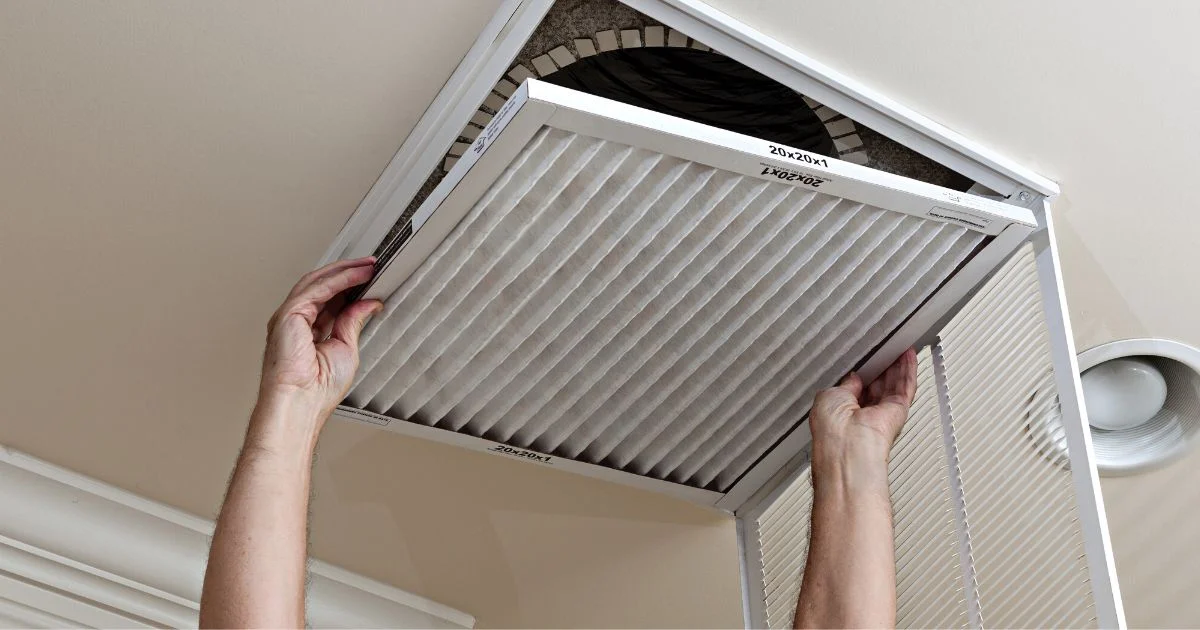
Clogged filters can obstruct airflow, leading to overheating and shutdowns. Filtration systems should be checked monthly during the heating season. Replacing filters every 1-3 months, depending on usage, maintains optimal airflow. Ignoring clogged filters may result in more severe furnace damage, leading to costly repairs.
Safety Features to Consider
Understanding safety features in a furnace is crucial for its proper operation. These components prevent malfunctions and ensure safe heating in homes.
Limit Switches
Limit switches serve as crucial safety devices that monitor furnace temperature. When the furnace overheats, limit switches trigger an automatic shutdown to prevent damage or fire hazards. Homeowners should check this component if the furnace won’t turn on; a malfunctioning limit switch could inhibit operation. Regular maintenance can ensure that limit switches function properly, preventing issues before they arise.
Flame Sensors
Flame sensors detect the presence of a flame in the furnace. If they malfunction or become dirty, they can falsely signal the system to shut down, preventing heat generation. Cleaning or replacing the flame sensor can restore furnace operation, ensuring it safely ignites and maintains heat. Regular checks of flame sensors help maintain efficiency and safety, allowing for prompt heating when needed.
Troubleshooting Steps
Troubleshooting a furnace that won’t turn on requires systematic checks to identify the issue. Here are essential steps to follow for effective diagnostics.
Checking the Thermostat
Checking the thermostat remains the first step. Ensure it’s set to heating mode and the desired temperature exceeds the current room temperature. If it runs on batteries, replace them if low. Inspect the wiring for loose connections. Clean the thermostat to remove dust or debris that could interfere with its operation.
Inspecting the Air Filter
Inspecting the air filter is crucial for proper furnace function. Locate the filter and examine its condition. If it’s dirty or clogged, replace it to improve airflow and efficiency. A clean filter reduces strain on the system and prevents overheating, enhancing overall performance.
Examining the Power Source
Examining the power source is vital for diagnosis. Check the circuit breaker for any tripped switches. Reset tripped breakers if needed. Verify that the furnace is plugged in, and ensure the power switch is on. If discrepancies persist, consulting a qualified electrician may be necessary to address electrical issues.
When to Call a Professional
Recognizing when to call a professional can prevent further damage and ensure safety. Homeowners shouldn’t hesitate to seek expert help if they observe any troubling signs or require complex repairs.
Signs of Major Issues
- Unusual Noises: Persistent banging, clanging, or screeching noises indicate mechanical problems that require professional attention.
- Frequent Cycling: Rapid on-and-off operation suggests underlying issues such as a malfunctioning thermostat or limit switch that needs expert diagnostics.
- Foul Odors: Strange smells, particularly burning or gas odors, warrant immediate professional evaluation for safety reasons.
- Inconsistent Heating: Uneven temperatures throughout the home may point to ductwork issues or problems with the furnace itself, indicating a need for specialized assistance.
- Age of the Furnace: Furnaces older than 15 years often experience more frequent failures. Consulting a professional might identify whether a repair or replacement is necessary.
Benefits of Professional Help
- Expert Knowledge: Professionals possess in-depth knowledge of various heating systems, enabling them to diagnose issues accurately.
- Safety Assurance: Professionals can address hazardous situations, such as gas leaks or electrical failures, ensuring the safety of the home.
- Preventative Maintenance: Professional services can provide routine maintenance, extending the life of the furnace and increasing efficiency.
- Warranty Protection: Professional repairs often maintain manufacturer warranties, protecting homeowners from future repair expenses.
- Time-Saving Solutions: Professionals can complete repairs swiftly and efficiently, minimizing discomfort during cold weather while reducing the risk of recurrent issues.
Conclusion
Understanding the reasons why a furnace won’t turn on is essential for maintaining a comfortable home during winter months. By identifying common issues early homeowners can avoid unnecessary discomfort and high energy costs. Simple checks like adjusting the thermostat or replacing a dirty filter can often resolve problems quickly.
When faced with more complex issues such as electrical failures or malfunctioning safety features it’s crucial to seek professional assistance. Staying proactive with regular maintenance not only ensures efficient heating but also enhances safety. With the right approach homeowners can keep their furnaces running smoothly and enjoy a warm, cozy environment all winter long.
Frequently Asked Questions
Why won’t my furnace turn on?
There are several reasons your furnace may not turn on, including thermostat issues, power supply problems, or a clogged air filter. Start by checking if the thermostat is set to heating mode and if the desired temperature is above the room temperature. Also, inspect the power source and ensure all circuits are functioning.
How do I check my thermostat?
To check your thermostat, ensure it is set to the heating mode and that the temperature set is higher than the current room temperature. If it has batteries, consider replacing them. Make sure the thermostat is properly connected to the furnace.
What should I do if the furnace is not getting power?
If your furnace isn’t getting power, first check the circuit breaker to make sure it hasn’t tripped. Ensure that the furnace is plugged in, as a loose connection could be the issue. If problems persist, consult an electrician.
How often should I change my air filter?
You should change your air filter at least every 1-3 months during heating seasons. A clean filter improves airflow, enhances efficiency, and prevents the furnace from overheating, reducing the risk of malfunctions.
When should I call a professional for furnace issues?
Call a professional if you notice unusual noises, frequent cycling, or foul odors coming from your furnace. It’s also wise to consult an expert if the furnace is over 15 years old or showing inconsistent heating. Regular maintenance can help prevent serious issues.
What are limit switches and flame sensors?
Limit switches monitor the furnace’s temperature and automatically shut it down if it overheats, preventing damage. Flame sensors detect if a flame is present; if dirty or malfunctioning, they can stop the furnace from operating. Regular maintenance of these components is essential for safe operation.
How can I prevent furnace problems?
Regular maintenance is key to preventing furnace issues. Schedule annual inspections, change air filters frequently, and keep the vents clear of debris. Regularly check and replace batteries in your thermostat to ensure proper functioning.
What can I do for simple furnace troubleshooting?
Start troubleshooting by checking the thermostat settings and replacing batteries if needed. Examine the air filter for clogs and inspect the circuit breaker and power source. If the problem persists, or if you’re unsure, consider contacting a professional for assistance.
For Professional Heating & Cooling Services in Costa Mesa, CA Contact Absolute Comfort at 949-240-8560, Or Request Service Online.
Request Service
"*" indicates required fields


Reviews

“Marc is the guy you want to call for your heating and AC needs. He does what he says he’s going to do with a no nonsense approach. He also knows his business well and understands the importance of customer satisfaction.”
“Marc was prompt, explained the issue and had it fixed fast. Cost was great and he went above and beyond by replacing valve and installing new filter. Would highly recommend.”
“Marc Morales provided excellent service and communication, he is very straight forward and thoroughly explained all the information we needed to know about the HVAC system in the home. I definitely recommend him and will use this company in the future.”
“Marc is a pro. He got back to me quickly and scheduled an appointment for the next day. Furnace is back up and running all labor and parts were under warranty. You can’t go wrong with Absolute Comfort HVAC”
“Absolute Comfort came out and fixed my unit for me and it works better than ever now. Marc is great, he was professional and knowledgeable and explained every step of the repair and the cost.”
“Marc was responsive from the first call. Received alerts prior to appointment. Showed up on time and explained everything clearly. Would recommend to all”