
How to Cut Energy Costs with an Efficient HVAC System
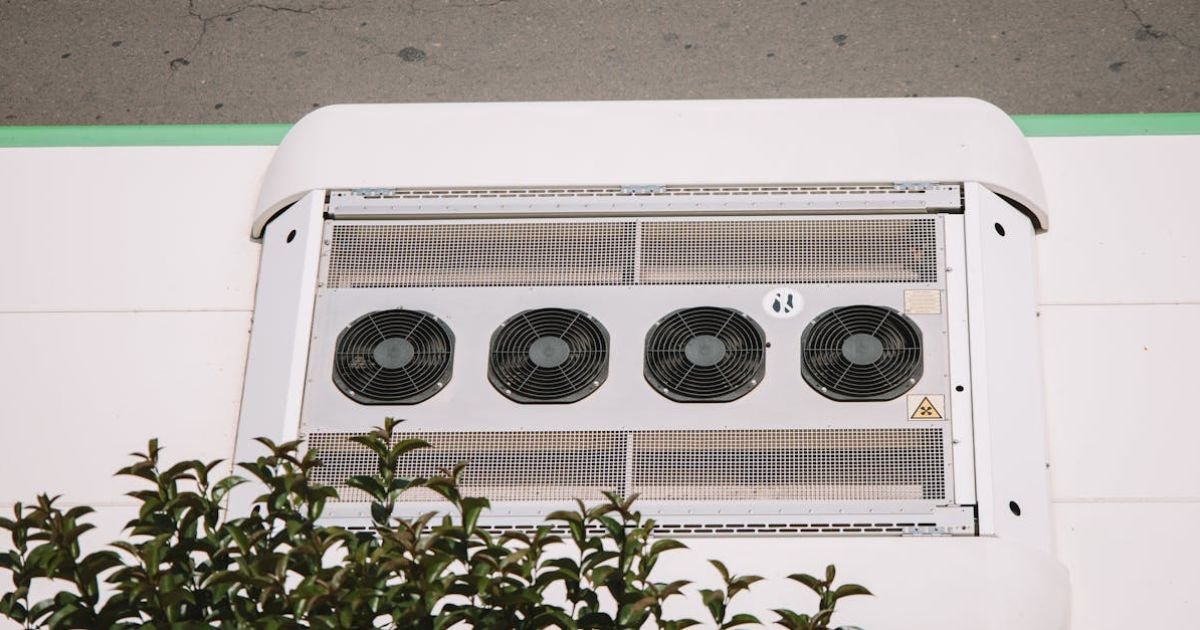
In today’s world, rising energy costs can take a toll on household budgets. Many homeowners are searching for effective ways to reduce these expenses without sacrificing comfort. An efficient HVAC system stands out as a powerful solution, not only enhancing indoor climate control but also significantly lowering energy bills.
Upgrading to a more efficient heating and cooling system can lead to substantial savings over time. With advancements in technology, modern HVAC systems offer improved performance and energy efficiency, making them a smart investment. Understanding how to optimize these systems can empower homeowners to make informed choices that benefit both their wallets and the environment.
Understanding HVAC Systems
HVAC systems are essential for regulating indoor climate and enhancing energy efficiency in homes. Proper knowledge of these systems aids homeowners in making informed decisions about energy savings.
What is an HVAC System?
An HVAC system stands for Heating, Ventilation, and Air Conditioning. It controls indoor temperature, humidity, and air quality. HVAC systems manage environmental comfort by providing heating in winter and cooling in summer while ensuring good airflow. Modern systems often feature programmable thermostats, sensors, and zoning capabilities that enhance energy efficiency.
Components of an HVAC System
- Heating Units: These include furnaces and heat pumps, which generate warmth. Furnaces utilize gas, oil, or electricity, while heat pumps transfer heat from outside to inside.
- Cooling Units: Air conditioners and heat pumps fall into this category. Air conditioners remove heat from indoor air, while heat pumps can efficiently provide both heating and cooling.
- Ventilation Systems: They maintain air quality by circulating fresh air and expelling stale air. Common methods include natural ventilation and mechanical ventilation.
- Ductwork: Ducts distribute heated or cooled air throughout the home. Proper design and maintenance of ductwork enhance efficiency and comfort.
- Thermostats: These control the HVAC system by regulating temperature settings. Smart thermostats provide enhanced features, including schedule adjustments and remote access.
Understanding these components helps homeowners select the right HVAC systems tailored to their needs, promoting energy efficiency and comfort.
Benefits of an Efficient HVAC System
Efficient HVAC systems offer substantial advantages for homeowners looking to reduce energy costs while enhancing comfort. These systems not only lower utility bills but also contribute positively to the environment.
Energy Savings
Energy-efficient HVAC systems significantly reduce energy consumption, often resulting in lower monthly energy bills. These systems utilize advanced technology, such as variable speed motors and smart thermostats, to operate more efficiently. Homeowners can expect energy savings of up to 30% compared to traditional models. Investing in Energy Star-rated units ensures optimal performance and long-term savings through reduced energy use.
Environmental Impact
Efficient HVAC systems minimize carbon footprint by consuming less energy and thus decreasing greenhouse gas emissions. As energy production often relies on fossil fuels, reducing energy consumption translates to lower emissions. Additionally, newer systems use refrigerants with a lower global warming potential, further decreasing environmental impact. Installing an efficient HVAC system aligns with efforts to promote sustainability and protect the environment.
Key Features of Energy-Efficient HVAC Systems
Energy-efficient HVAC systems incorporate several advanced features that significantly lower energy costs while enhancing comfort. Understanding these features enables homeowners to make better choices for their heating and cooling needs.
SEER Ratings
Seasonal Energy Efficiency Ratio (SEER) ratings measure the cooling efficiency of air conditioners and heat pumps. Higher SEER ratings indicate greater efficiency, with modern units typically ranging from 14 to 25. For example, a unit with a SEER rating of 16 uses approximately 13% less energy than a unit rated at 14. Choosing an HVAC system with a higher SEER rating leads to reduced energy consumption and lower monthly utility bills. The U.S. Department of Energy recommends selecting systems with SEER ratings above 16 for optimal efficiency.
Smart Thermostats
Smart thermostats enhance HVAC efficiency by optimizing energy usage based on schedule and preferences. These devices learn homeowners’ routines, automatically adjusting temperatures for peak efficiency. For instance, when a home is unoccupied, a smart thermostat can reduce heating or cooling demand, saving energy. Many models offer remote access via smartphone apps, enabling users to adjust settings from anywhere. Installing a smart thermostat can result in energy savings of up to 10-15% annually, making it a valuable addition to any energy-efficient HVAC system.
Tips on Implementing Energy Efficiency
Implementing energy efficiency in HVAC systems requires actionable strategies that homeowners can follow. These tips help reduce energy costs and enhance system performance.
Regular Maintenance
Regular maintenance of HVAC systems ensures optimal performance and energy efficiency. It includes tasks like changing air filters every 1-3 months, cleaning condensate drains, and scheduling professional inspections at least once a year. During inspections, technicians examine components for wear, check refrigerant levels, and ensure system calibrations. Homeowners should also keep condenser coils clean and free of debris to enhance airflow and cooling efficiency. Scheduling routine maintenance not only reduces energy consumption but also extends the life of the HVAC system.
Upgrading Equipment
Upgrading HVAC equipment significantly boosts energy efficiency. Homeowners should consider replacing aging units with Energy Star-rated models that meet strict efficiency standards. Modern heating and cooling systems, featuring variable speed technology and advanced compressors, operate more efficiently than older models. Homeowners should also evaluate smart thermostats, which adjust temperature settings based on real-time data. Investing in high-efficiency equipment results in lower utility bills while improving indoor comfort.
Conclusion
Investing in an efficient HVAC system is a proactive step toward cutting energy costs while enhancing home comfort. By embracing modern technology and energy-efficient features, homeowners can significantly reduce their utility bills and environmental impact. Regular maintenance and smart upgrades play a crucial role in maximizing these benefits.
Choosing systems with high SEER ratings and utilizing smart thermostats not only optimizes energy usage but also aligns with sustainability goals. As energy prices continue to rise, making informed HVAC choices is essential for both financial savings and a greener future. Homeowners who prioritize efficiency will enjoy lasting comfort and reduced expenses for years to come.
Frequently Asked Questions
What is HVAC, and why is it important for homeowners?
HVAC stands for Heating, Ventilation, and Air Conditioning. It regulates indoor climate, ensuring comfortable temperatures, humidity control, and air quality. Efficient HVAC systems are crucial for managing energy costs and maintaining a pleasant home environment.
How can upgrading to energy-efficient HVAC systems save money?
Upgrading to modern, energy-efficient HVAC systems can lead to significant long-term savings on utility bills. These systems can reduce energy consumption by up to 30% compared to traditional models, resulting in lower operating costs over time.
What features should I look for in an energy-efficient HVAC system?
When selecting an energy-efficient HVAC system, look for high Seasonal Energy Efficiency Ratio (SEER) ratings, preferably above 16, and consider smart thermostats. These features enhance efficiency and adaptability, optimizing energy use based on your preferences.
How can regular maintenance improve HVAC efficiency?
Regular maintenance, including changing air filters and scheduling annual inspections, ensures that HVAC systems operate optimally. This practice helps prevent energy waste, prolongs system life, and enhances overall efficiency, leading to reduced energy costs.
For Professional Heating & Cooling Services in Costa Mesa, CA Contact Absolute Comfort at 949-240-8560, Or Request Service Online.
Request Service
"*" indicates required fields


Reviews

“Marc is the guy you want to call for your heating and AC needs. He does what he says he’s going to do with a no nonsense approach. He also knows his business well and understands the importance of customer satisfaction.”
“Marc was prompt, explained the issue and had it fixed fast. Cost was great and he went above and beyond by replacing valve and installing new filter. Would highly recommend.”
“Marc Morales provided excellent service and communication, he is very straight forward and thoroughly explained all the information we needed to know about the HVAC system in the home. I definitely recommend him and will use this company in the future.”
“Marc is a pro. He got back to me quickly and scheduled an appointment for the next day. Furnace is back up and running all labor and parts were under warranty. You can’t go wrong with Absolute Comfort HVAC”
“Absolute Comfort came out and fixed my unit for me and it works better than ever now. Marc is great, he was professional and knowledgeable and explained every step of the repair and the cost.”
“Marc was responsive from the first call. Received alerts prior to appointment. Showed up on time and explained everything clearly. Would recommend to all”