
The Hidden Dangers of Dirty Air Filters (And How Often You Should Really Change Them)
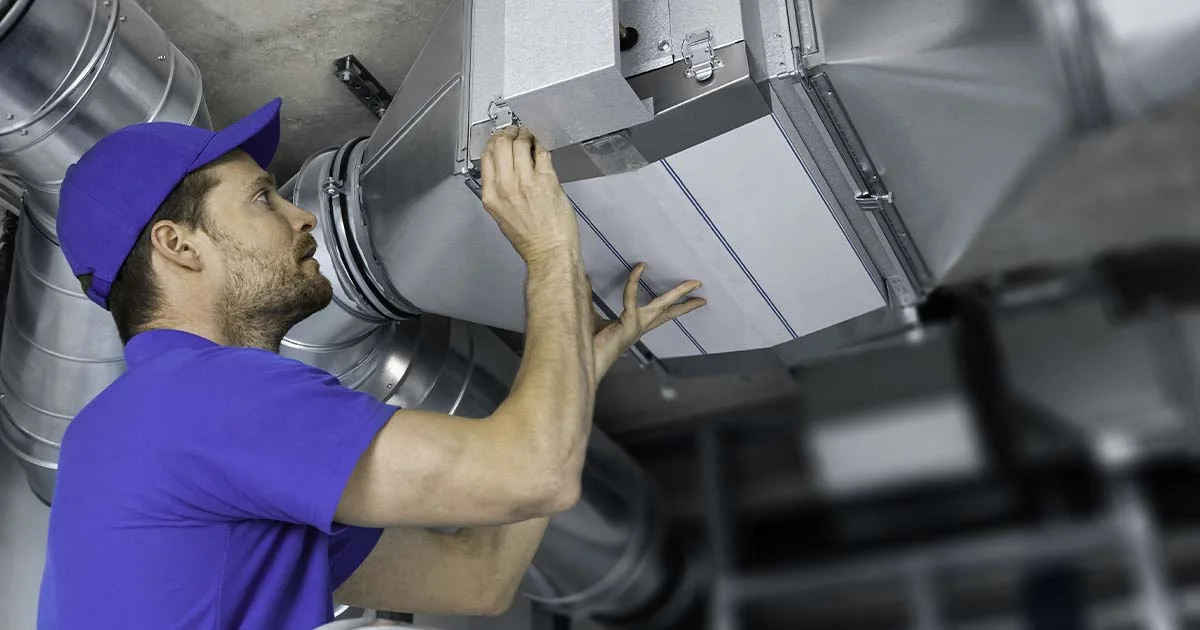
Out of sight, out of mind. That’s precisely how most homeowners treat their HVAC air filters. Tucked away behind a vent grate or inside your furnace, these unassuming rectangles of pleated material rarely get the attention they deserve. Yet, this simple, inexpensive component plays a crucial role in your home’s air quality, your HVAC system’s performance, and even your family’s health.
At Absolute Comfort, one of the most common problems we encounter during service calls is a severely clogged air filter. Many homeowners are shocked when we show them just how dirty their filter has become, and even more surprised when we explain the domino effect of consequences that follow. Let’s explore what’s really at stake when you neglect this basic maintenance task.
What Your Air Filter Actually Does
Before we dive into the dangers, it’s important to understand your air filter’s job. The primary function is protecting your HVAC equipment from dust, debris, and particles that could damage sensitive components. The secondary benefit is improving your indoor air quality by capturing airborne pollutants before they circulate through your home.
Every time your heating or cooling system runs, air is pulled through the filter before entering the blower and ductwork. A clean filter allows air to flow freely while trapping particles. But as the filter captures more debris, it becomes increasingly clogged, and that’s when problems begin.
The Hidden Dangers of a Dirty Air Filter
Drastically Reduced Energy Efficiency
When your filter is clogged, your HVAC system has to work significantly harder to pull air through it. Think of it like breathing through a pillow versus breathing normally. The restricted airflow forces your blower motor to run longer and work harder to maintain your desired temperature.
This increased strain directly translates into higher energy bills. Studies show that a dirty air filter can increase energy consumption by 5% to 15%. Over a year, that seemingly small filter neglect can cost you hundreds of dollars in wasted energy. During peak heating or cooling seasons, the impact is even more pronounced.
Premature System Failure
The extra work required to push air through a clogged filter doesn’t just waste energy; it accelerates wear on critical components. Your blower motor runs hot, bearings wear out faster, and the entire system experiences increased stress with every cycle.
This constant strain shortens your HVAC system’s lifespan. A system that should last 15-20 years might fail after 10-12 years if filters are consistently neglected. When you consider that a full system replacement can cost $5,000 to $15,000 or more, the few dollars you save by not changing filters regularly become incredibly expensive in the long run.
Frozen Evaporator Coils
Here’s a problem many homeowners don’t connect to dirty filters: frozen air conditioning coils. When airflow is restricted, the evaporator coil doesn’t receive enough warm air to prevent condensation from freezing. Ice builds up on the coil, further restricting airflow in a vicious cycle.
A frozen coil means no cooling, potential water damage from melting ice, and possible compressor damage if the system continues running. What started as a $20 filter replacement can quickly become a $1,000+ repair bill.
Overheating and System Shutdowns
Inadequate airflow doesn’t just affect cooling; it’s equally problematic for heating. Modern furnaces have safety mechanisms that shut down the system if it overheats, which happens when a dirty filter prevents sufficient air from passing over the heat exchanger.
While these safety shutdowns protect your equipment from damage, they leave you without heat, often at the most inconvenient times. Repeated thermal stress from overheating can also crack heat exchangers, posing a serious safety hazard and requiring expensive repairs or a complete system replacement.
Compromised Indoor Air Quality
A dirty filter can’t capture new particles effectively. Instead of trapping dust, pollen, pet dander, and other allergens, a saturated filter allows these particles to pass through into your ductwork and living spaces. In some cases, trapped particles can even be released back into your air.
For family members with allergies, asthma, or other respiratory conditions, this degraded air quality can trigger symptoms, increase medication needs, and reduce overall quality of life. Children, elderly family members, and those with compromised immune systems are particularly vulnerable.
Dust Accumulation Throughout Your Home
When your filter can’t do its job, you’ll notice dust settling on furniture, windowsills, and electronics much faster than normal. That constant layer of dust isn’t just unsightly; it’s evidence that particles are circulating freely through your home instead of being captured by your filter.
This increased dust means more frequent cleaning, more allergen exposure, and potentially more respiratory irritation for everyone in your household.
Ductwork Contamination
Particles that bypass a dirty filter don’t just float around your rooms; they also accumulate inside your ductwork. Over time, this buildup can become substantial, creating a reservoir of dust and allergens that continuously recontaminates your air.
Professional duct cleaning can cost several hundred dollars. Regular filter changes are a far more cost-effective form of prevention.
How Often Should You Really Change Your Filter?
The answer isn’t as straightforward as you might hope because several factors influence how quickly your filter becomes dirty. Here’s a practical guide:
Standard 1-Inch Fiberglass Filters: Every 30 days
These basic filters offer minimal filtration and clog quickly. If this is what you’re using, monthly changes are essential.
1-Inch Pleated Filters: Every 60-90 days
Better filtration than fiberglass, but they still need regular attention. Check monthly and replace when visibly dirty, or after 90 days at the latest.
Higher-Quality Pleated Filters (MERV 8-13): Every 90 days
These offer excellent filtration but can restrict airflow if left too long. Check monthly, especially during peak usage seasons.
Special Circumstances Requiring More Frequent Changes:
- Pets: Change filters every 60 days or monthly if you have multiple pets
- Allergies or asthma: Monthly changes help maintain optimal air quality
- Recent home renovations: Dust from construction can clog filters rapidly; check weekly during projects
- Excessive dust in your area: Desert climates or unpaved roads may require monthly changes
- Running your system constantly: More run time means faster filter saturation
The Simple Test
Don’t rely solely on calendar dates. Check your filter monthly by removing it and holding it up to the light. If you can’t see light through it easily, it’s time for a replacement. If it’s visibly gray or caked with dust, it’s already overdue.
Making Filter Changes Easy
The most common excuse for not changing filters is simply forgetting. Here’s how to build this habit:
Set Recurring Reminders
Put a reminder on your phone, add it to your digital calendar, or use one of many apps designed specifically for home maintenance tracking. Schedule it for the same day each month to build consistency.
Subscribe to Filter Delivery Services
Many companies now offer subscription services that deliver the correct size filter to your door on your chosen schedule. When a new filter arrives, you have a physical reminder to make the change.
Buy in Bulk
Purchase a six-month or one-year supply of filters at once. Store them near your HVAC system so they’re always accessible. The investment is minimal, and you’ll never have the excuse that you don’t have a replacement on hand.
Mark Your Filter
Write the installation date on the filter frame with a permanent marker. This simple step takes seconds but helps you track exactly how long it’s been in service.
The Bottom Line
Air filter replacement is the easiest, most cost-effective maintenance task you can perform for your HVAC system. It requires no special tools, no technical knowledge, and just a few minutes. Yet, the impact on your system’s efficiency, longevity, air quality, and your family’s health is profound.
At Absolute Comfort, we’ve seen countless expensive repairs that could have been prevented with regular filter changes. Don’t let a $20 filter become a $2,000 problem. Make filter replacement a non-negotiable part of your home maintenance routine.
Need help choosing the right filters for your system or want to schedule a maintenance visit to ensure everything is running optimally? Contact Absolute Comfort today. We’re here to keep your home comfortable, efficient, and healthy all year long.
For Professional Heating & Cooling Services in Costa Mesa, CA Contact Absolute Comfort at 949-240-8560, Or Request Service Online.
Request Service
"*" indicates required fields


Reviews

“Marc is the guy you want to call for your heating and AC needs. He does what he says he’s going to do with a no nonsense approach. He also knows his business well and understands the importance of customer satisfaction.”
“Marc was prompt, explained the issue and had it fixed fast. Cost was great and he went above and beyond by replacing valve and installing new filter. Would highly recommend.”
“Marc Morales provided excellent service and communication, he is very straight forward and thoroughly explained all the information we needed to know about the HVAC system in the home. I definitely recommend him and will use this company in the future.”
“Marc is a pro. He got back to me quickly and scheduled an appointment for the next day. Furnace is back up and running all labor and parts were under warranty. You can’t go wrong with Absolute Comfort HVAC”
“Absolute Comfort came out and fixed my unit for me and it works better than ever now. Marc is great, he was professional and knowledgeable and explained every step of the repair and the cost.”
“Marc was responsive from the first call. Received alerts prior to appointment. Showed up on time and explained everything clearly. Would recommend to all”