fb pixel
Skip to main content

Author: Marc Morales

How to Cut Energy Costs with an Efficient HVAC System

New Year, Lower Bills: HVAC Resolutions That Actually Save Money in 2026

As we approach the new year, most of us are thinking about resolutions (ie, getting in shape, eating healthier, and spending more time with family). But here’s a resolution that can actually improve your quality of life while putting money back in your pocket: optimizing your HVAC system for maximum efficiency.

At Absolute Comfort Heating & Air Conditioning, we’ve helped countless Orange County homeowners reduce their energy bills without sacrificing comfort. The secret? Small, consistent actions that compound into significant savings over time.

Unlike gym memberships that get abandoned by February, these HVAC resolutions are easy to keep and deliver measurable results you’ll appreciate every month when your utility bill arrives.

Resolution #1: Commit to Monthly Filter Checks

This is the easiest and most impactful resolution you can make. Yet it’s the one most homeowners neglect.

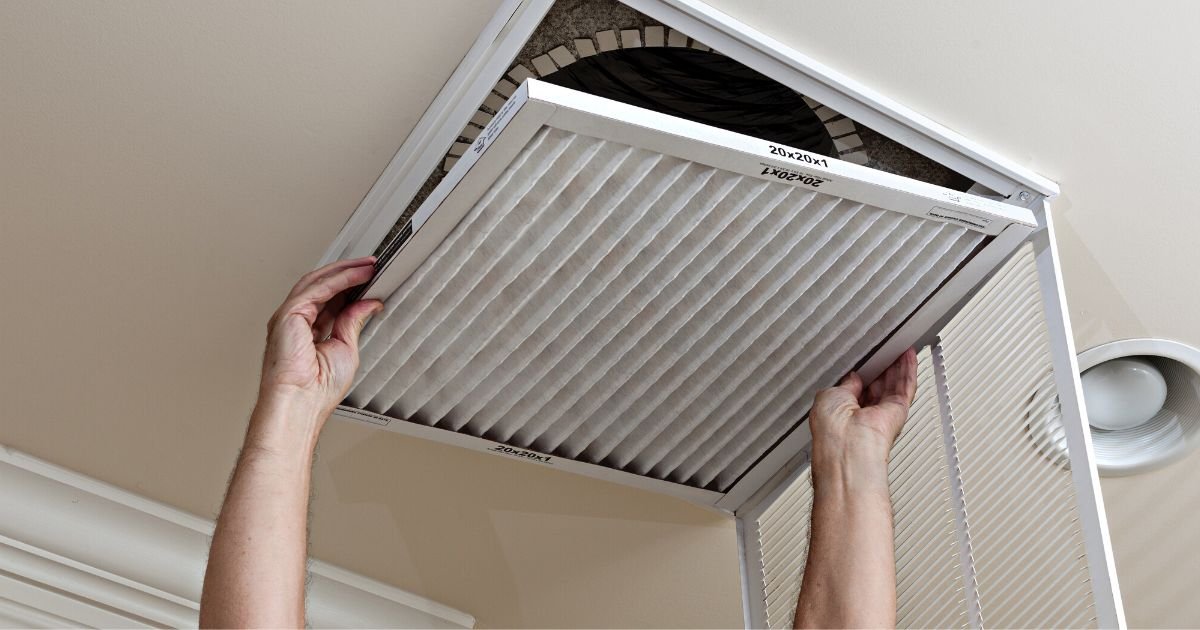
Set a recurring reminder on your phone for the first day of each month. Take two minutes to check your air filter. If it’s dirty, replace it. If it’s relatively clean, recheck it next month.

A clogged filter forces your HVAC system to work harder, increasing energy consumption by up to 15%. Over a year, that’s like throwing away $150-$300 on completely preventable waste.

Think of it this way: would you drive your car for years without changing the oil? Your HVAC filter serves a similar protective function. Investing a few dollars per month in filters can prevent thousands in repair costs and significantly reduce energy consumption.

Make it even easier by subscribing to a filter delivery service that sends replacements to your door on a regular schedule. Remove the friction, keep the resolution.

Resolution #2: Schedule Two Professional Tune-Ups in 2026

Just as you wouldn’t skip your annual physical, don’t skip your HVAC maintenance. But here’s the upgrade for 2026: schedule two tune-ups instead of one—one in spring before cooling season, and one in fall before heating season.

Professional maintenance catches minor problems before they become expensive emergencies. A refrigerant leak discovered during a spring tune-up might cost $200 to fix. Wait until mid-summer to have your AC fail completely? That same repair plus emergency service could run $800 or more.

During maintenance visits, technicians clean components, tighten connections, lubricate moving parts, and ensure your system operates at peak efficiency. Studies show that well-maintained HVAC systems operate 20-30% more efficiently than neglected ones.

The cost of two annual tune-ups typically pays for itself through energy savings alone, not to mention the extended system lifespan and avoided repair costs. It’s an investment, not an expense.

Resolution #3: Master Your Programmable Thermostat

That programmable thermostat on your wall? It could be saving you hundreds of dollars per year. But only if you actually program it.

According to the Department of Energy, you can save 10% annually on heating and cooling by adjusting your thermostat 7-10 degrees for eight hours per day. For Orange County homeowners, that translates to roughly $150-$200 in annual savings.

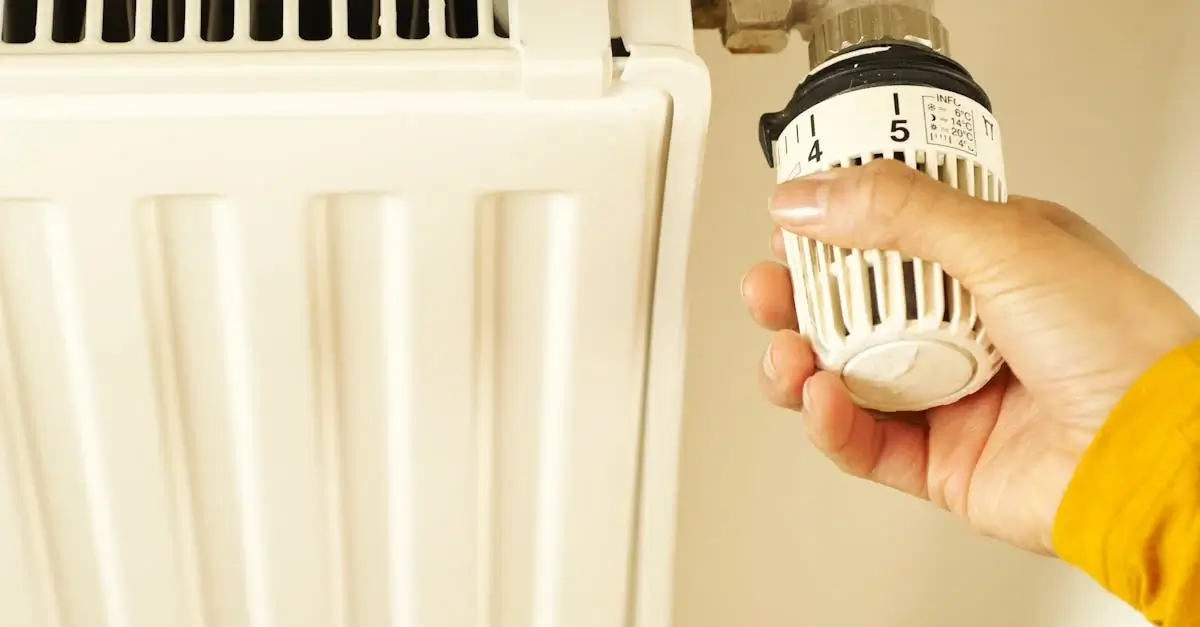
Take 30 minutes in early January to set up a schedule that matches your lifestyle. Typical energy-saving settings include lowering the temperature while you sleep and when you’re at work, then automatically adjusting to a comfortable level before you wake up or arrive home.

If you don’t have a programmable thermostat yet, consider upgrading to a smart model. Modern thermostats learn your patterns, adapt to weather changes, and provide energy usage reports that help you optimize even more. Many utility companies offer rebates that significantly reduce the upfront cost.

The key is to set it and forget it. Once programmed, your thermostat works invisibly in the background, consistently saving energy without requiring any thought or effort on your part.

Resolution #4: Seal Leaks and Improve Insulation

Hot or cold air escaping through gaps, cracks, and poorly insulated spaces is like burning dollar bills. You’re paying to condition air that immediately leaks outside.

Dedicate one weekend in January to air-sealing your home. Check around windows and doors for drafts. Inspect where pipes and wires enter your home. Look at the weatherstripping on exterior doors. Feel around exterior wall electrical outlets for airflow.

Seal gaps with caulk or weatherstripping, materials that cost just a few dollars but can reduce heating and cooling costs by 10-20%. For larger projects like attic insulation upgrades, the investment typically pays for itself within 2-5 years through energy savings.

Don’t forget about your ductwork. If you have accessible ducts in your attic or crawl space, check for disconnected sections or visible gaps. Duct leaks can waste 20-30% of your heated or cooled air. Professional duct sealing might be worthwhile if you notice significant temperature differences between rooms.

Resolution #5: Optimize Airflow Throughout Your Home

Your HVAC system can only distribute comfort effectively if air can flow freely. Yet many homes have chronic airflow problems that waste energy and create uncomfortable hot or cold spots.

Walk through your home and check every vent. Furniture pushed against registers, storage boxes stacked over returns, and closed vents in unused rooms all restrict airflow and reduce efficiency.

Keep vents in all rooms open, even in spaces you don’t use regularly. Closing vents doesn’t save energy; it actually forces your system to work harder and can damage components over time. Modern HVAC systems are designed to efficiently condition the entire home.

Make it a habit to periodically vacuum dust from vent covers and ensure curtains or other décor aren’t blocking airflow. Consider rearranging furniture if pieces are positioned over vents or returns.

For homes with persistent hot or cold spots, ceiling fans can improve comfort without increasing energy costs. Use them counterclockwise in summer to create a cooling breeze, and clockwise in winter to push warm air down from the ceiling.

Resolution #6: Use Natural Climate Control

Take advantage of free heating and cooling from nature; it doesn’t get more efficient than that.

In winter, open curtains on south-facing windows during the day to let sunshine warm your home naturally. Close them at night to reduce heat loss through windows. Passive solar heating can significantly reduce your daytime heating needs.

In summer, do the opposite. Keep curtains and blinds closed during the hottest part of the day, especially on west-facing windows. Open windows in the evening when outdoor temperatures drop to take advantage of natural cooling and fresh air circulation.

Strategic use of window coverings works with your HVAC system rather than against it, reducing the work it has to do and how often it needs to run.

Resolution #7: Consider Upgrading to a High-Efficiency System

If your current system is more than 15 years old, it’s likely operating at 60% or less of the efficiency of modern equipment. A new high-efficiency system could cut your heating and cooling costs in half.

While the upfront investment is significant, financing options make it manageable, and the combination of energy savings, available rebates, and tax credits can make the payback period surprisingly short, often 5-7 years for Orange County homeowners.

Modern systems also offer features your old unit can’t match: smart home integration, variable-speed operation for consistent comfort, advanced air filtration, and quieter operation.

Even if you’re not ready for a complete replacement, consider efficiency upgrades such as variable-speed air handlers or smart thermostats to improve your existing system’s performance.

Resolution #8: Monitor and Track Your Energy Usage

What gets measured gets managed. Start tracking your monthly energy bills to identify patterns and measure the impact of your efficiency efforts.

Many utility companies now offer online tools that show daily energy consumption. Use these to identify unusual spikes that might indicate problems. A sudden increase in usage could signal an HVAC issue that needs attention before it becomes expensive.

Smart thermostats also provide energy reports showing exactly how much you spend on heating and cooling each month. These insights help you understand which changes have the most significant impact on your bills.

Set a specific savings goal, perhaps reducing your energy bills by 15% compared to 2025. Having a concrete target makes it easier to stay motivated and committed to efficiency practices.

The Compound Effect of Small Changes

Here’s the exciting part: these resolutions work together to create compound savings that dramatically exceed what any single action would achieve on its own.

Replace filters monthly, maintain your system correctly, use your programmable thermostat effectively, seal air leaks, and optimize airflow. Suddenly, you’re looking at potential energy savings of 30-40% or more. For the typical Orange County household, that could mean $500-$800 back in your pocket annually.

Better yet, these aren’t sacrifices. You’re not giving anything up or compromising comfort. In fact, most homeowners find that their homes actually become more comfortable as systems run more efficiently with fewer hot or cold spots.

Making Resolutions Stick

The difference between resolutions that last and those that fizzle by Valentine’s Day often comes down to systems and accountability.

For HVAC resolutions, create systems that ensure success. Set up recurring reminders for filter checks, schedule maintenance appointments for the entire year, and automate temperature adjustments with programmable thermostats.

Consider creating a simple home maintenance log, either digital or physical, where you track filter changes, maintenance visits, and any issues you notice. This creates accountability and helps you spot patterns over time.

Start Strong with Professional Support

The best time to start these resolutions is right now, before the new year even arrives. Don’t wait for January 1st, get a head start by scheduling your first maintenance appointment and having a professional assess your system’s current efficiency.

Ready to make 2026 your most energy-efficient year yet? Contact Absolute Comfort today to schedule a comprehensive system evaluation. Our experienced technicians can identify specific opportunities for savings in your home and help you create a personalized efficiency plan.

Your future self—and your bank account—will thank you for making these simple but powerful HVAC resolutions. Here’s to a comfortable, efficient, and more affordable 2026!

For Professional Heating & Cooling Services in Costa Mesa, CA, Contact Absolute Comfort at 949-844-5840, Or Request Service Online.

Frequently Asked Questions

How much money can I really save with these HVAC resolutions?

Most Orange County homeowners can save 20-40% on heating and cooling costs by implementing these efficiency measures. For a typical household spending $1,500-$2,000 annually on HVAC energy costs, that translates to $300-$800 in savings per year. The exact amount depends on your current system condition, home size, and usage patterns.

What’s the single most effective resolution for saving energy?

Regular filter changes, combined with professional maintenance, deliver the biggest impact with the least effort and cost. These two actions alone can improve system efficiency by 15-25%, prevent expensive breakdowns, and extend your equipment’s lifespan by years. If you adopt only two resolutions, make them these.

How often should I really change my air filter?

Check your filter monthly and replace it when it appears dirty or clogged. The frequency depends on factors like pets, indoor air quality, and system usage. During heavy use seasons (summer and winter in Orange County), you may need monthly replacements. During mild weather, filters might last 2-3 months. Never go longer than 3 months without checking.

Are programmable thermostats worth the investment?

Absolutely. A programmable or smart thermostat typically pays for itself within 1-2 years through energy savings. The Department of Energy estimates annual savings of 10% in heating and cooling costs by simply using programmable temperature setbacks. Smart thermostats offer additional benefits, such as remote access, energy reports, and learning algorithms that automatically optimize comfort and efficiency.

Should I close vents in rooms I don’t use to save energy?

No, this is a common misconception. Modern HVAC systems are designed to efficiently heat or cool your entire home. Closing vents increases system pressure, forces your equipment to work harder, and can even damage components. Instead, keep all vents open and use your thermostat to manage overall temperature.

How do I know if my HVAC system needs to be replaced?

Consider replacing your system if it’s over 15 years old, requires frequent repairs, shows significantly higher energy bills, or provides inconsistent temperatures throughout your home. A professional evaluation can assess your system’s remaining lifespan and help you understand whether repair or replacement makes better financial sense.

What’s the best time of year to schedule HVAC maintenance?

Schedule maintenance twice annually, in spring, before you need cooling, and in fall, before you need heating. Early-season maintenance (March-April for AC, September-October for heating) ensures your system is ready for peak demand periods and often offers better availability and pricing than emergency mid-season service.

Can I really see results from these changes within the first month?

Yes, many of these resolutions deliver immediate results. Replacing a dirty filter, adjusting your thermostat schedule, and sealing obvious air leaks can reduce your next energy bill by a noticeable amount. More comprehensive improvements, like professional maintenance and system upgrades, show their full value over an entire season, but you’ll often notice improved comfort and performance right away.
 

Constant Repairs? 5 Signs It’s Time to Replace Your AC Unit, Not Repair It

As the temperatures rise, a reliable air conditioner is not a luxury. It is a necessity for comfort and safety in your home. But what happens when your once dependable AC unit starts needing constant attention? It can be difficult to know when to repair a system and when to invest in a replacement. Throwing good money after bad on an aging unit is a frustrating cycle many homeowners face.

Making the right decision requires looking at the bigger picture. While a single, minor repair is often justified, a pattern of failures is a clear signal. Here are five key signs that indicate it is time to replace your AC unit, not repair it again.

1. Your AC System Is Over 10 Years Old

Age is one of the most significant factors in the repair versus replace equation. Even a well-maintained air conditioner has a limited lifespan, typically between 10 and 15 years.

The Downside of Aging Components: As your AC unit ages, its efficiency naturally declines. More importantly, the likelihood of major component failures, such as the compressor or coil, increases dramatically. Repairing these core components is one of the most expensive fixes and is often not a wise investment on a system nearing the end of its life. Modern systems are significantly more energy efficient. Continuing to repair an old, inefficient unit means you are paying more in monthly energy bills on top of the cost of repairs.

2. You Are Facing Frequent or Costly Repairs

Every system will need an occasional repair. However, if you find yourself calling for service once or twice every summer, you are dealing with a systemic problem.

The Vicious Cycle of Repairs: An aging system often enters a downward spiral where one repaired part puts new stress on another aging part, leading to the next failure. This cycle is not only expensive but also incredibly inconvenient. A good rule of thumb is the “5,000 Rule.” Multiply the age of your equipment by the repair cost. If the result is more than $5,000, replacement is usually the better option. For example, a $1,200 repair on a 12-year-old unit (12 x 1,200 = 14,400) clearly points toward replacement.

3. Your Energy Bills Are Consistently Rising

Have you noticed a steady, unexplained increase in your summer electricity bills? While rates can fluctuate, a significant and consistent jump is often a red flag that your air conditioner is losing its efficiency.

The Cost of Inefficiency: As components within your AC wear down, the system must run longer and work harder to achieve the same cooling effect. This increased runtime translates directly to higher energy consumption. New air conditioners must meet strict government efficiency standards (SEER ratings). Upgrading to a modern, high-efficiency unit can reduce your cooling costs by 20 percent or more, savings that can help offset the cost of the new system over time.

4. Your Home Has Uneven Cooling or Humidity Problems

Your AC’s job is not just to cool the air. It is also used to remove humidity and maintain consistent comfort throughout your home. If you notice certain rooms are much warmer than others, or if the air in your home feels constantly damp and clammy, your system may be struggling to perform its basic functions.

The Symptom of a Failing System: Uneven cooling can be a sign that your AC unit is no longer the right size for your home, or that its ability to distribute air has been compromised. Similarly, an aging unit may cool the air but fail to run long enough in a cycle to properly remove humidity. This not only affects comfort but can also promote mold and mildew growth. A new, properly sized system will be designed to solve these specific comfort issues.

5. Your AC Uses R-22 Refrigerant

If your AC unit was installed before 2010, it likely uses R-22 refrigerant, commonly known as Freon. Due to its ozone-depleting properties, the production and import of R-22 were phased out in the United States as of January 1, 2020.

The Refrigerant Dilemma: This phase-out means that R-22 is now extremely expensive and difficult to obtain. If your system develops a refrigerant leak, the cost to recharge it with R-22 can be prohibitively high, often amounting to thousands of dollars. Furthermore, it is only a temporary fix for a leaking system. Investing in a major repair on an R-22 system is not financially sensible when a leak is inevitable. All new systems use environmentally friendly refrigerants that are readily available.

Making the Final Decision

Choosing to replace your air conditioner is a significant investment. However, it is also an investment in your home’s comfort, efficiency, and value. Modern systems are quieter, more reliable, and far more economical to operate.

If you recognize two or more of these signs with your current AC unit, the team at Absolute Comfort is here to help. We can provide a straightforward, no-pressure assessment of your system, compare the costs of repair versus replacement, and explain the potential energy savings and benefits of a new, high-efficiency model. Do not let another summer of constant repairs and high bills frustrate you. Explore your options for a permanent, cost-effective solution to your cooling needs.


What to Do When Your HVAC System Stops Working Suddenly

There is nothing more frustrating than your home’s heating or cooling system failing without warning. Whether it is a sweltering summer afternoon or a chilly winter night, a sudden HVAC breakdown can feel like a genuine emergency. Before you panic, know that there are several logical steps you can take to diagnose the problem and get your comfort back on track.

Staying calm and following this guide can help you resolve simple issues quickly or provide your HVAC technician with the information they need for a faster, more accurate repair.

Start With the Thermostat

The thermostat is the brain of your entire HVAC system. Often, what seems like a major system failure is simply a communication error starting at the thermostat.

Check the Basics: First, ensure the thermostat display is lit. If the screen is blank, the unit may have lost power. Check if it needs new batteries. If the display is on, verify that it is set to the correct mode: “COOL” for air conditioning or “HEAT” for heating. The temperature setting should be several degrees below the current room temperature for cooling, or above for heating, to trigger the system.

A Thorough Investigation: If the settings are correct, try turning the thermostat off and then on again. Next, remove the thermostat cover and gently blow away any dust or debris that may have accumulated on the internal components. Finally, ensure that no nearby lamps, electronics, or sunlight are affecting its temperature reading, as this can cause it to misread the room’s actual temperature.

Check Your Electrical Panel

A tripped circuit breaker is one of the most common reasons for a sudden and complete HVAC shutdown.

Locate Your Breaker Box: Find your home’s main electrical service panel. Look for the breakers labeled for the “AC,” “Air Handler,” “Furnace,” or “Heat Pump.” These are typically double-pole breakers.

What to Look For: If a breaker has tripped, it will be in a middle position, not fully “On” or “Off.” To reset it, firmly push the breaker all the way to the “Off” position, and then flip it back to the “On” position. If the breaker trips again immediately, do not attempt to reset it a second time. This indicates a serious electrical problem that requires professional attention.

Inspect the Air Filter

A severely clogged air filter might be the culprit. When the filter is too dirty, it restricts airflow, causing the system to overheat. As a safety precaution, the system will shut down to prevent damage to the components.

Locate and Examine: Your air filter is typically found in the return air duct, often in a slot on the wall, ceiling, or directly on the furnace or air handler itself. Remove the filter and hold it up to a light source.

Time for a Replacement: If you cannot see light through the filter, it is long overdue for a change. Replace it with a new filter of the same size and MERV rating. A clean filter allows for proper airflow, which is critical for both system operation and your indoor air quality. This simple step can often restore system function and prevent future shutdowns.

Check the Condenser Unit Outside

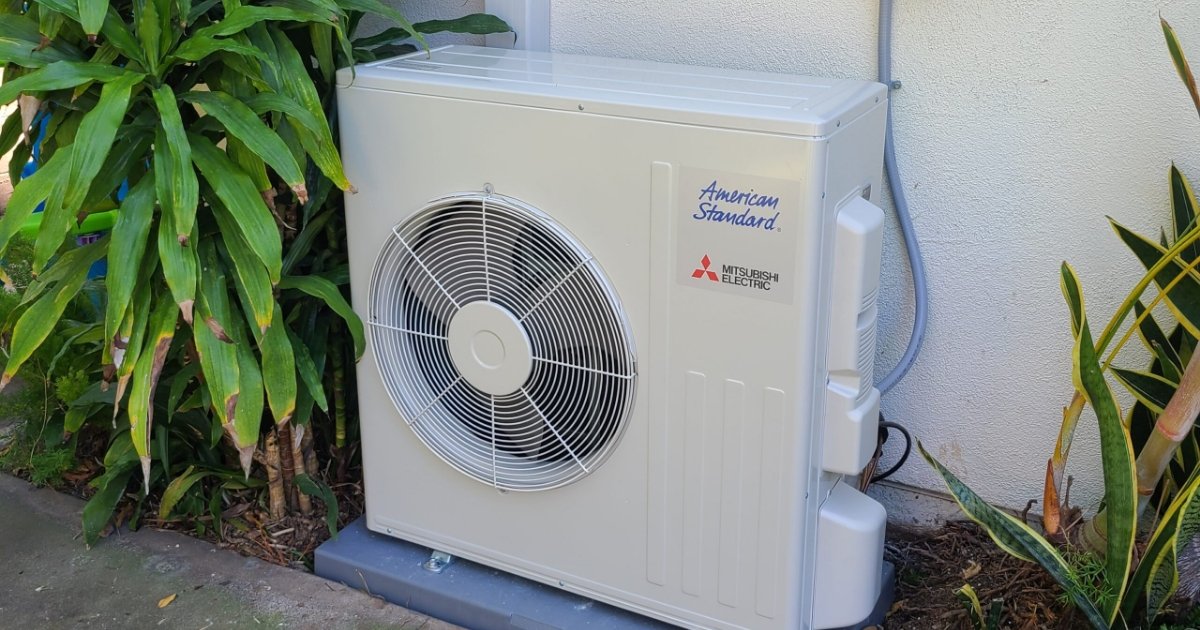
If you are having trouble with your air conditioning, the outdoor condenser unit is a key component to inspect.

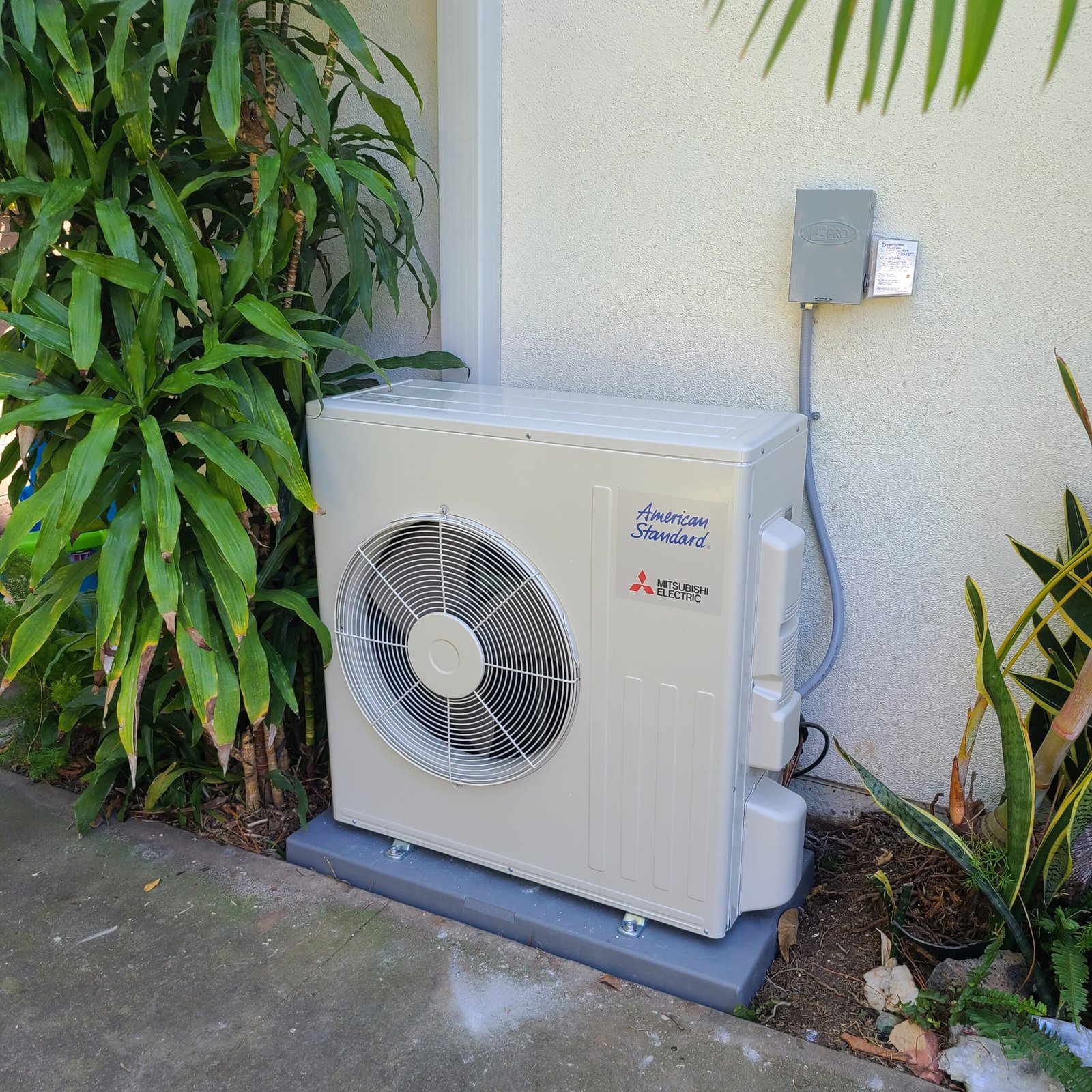
Clear the Area: Ensure that the unit is not blocked by leaves, grass, shrubs, or other debris. There should be at least two feet of clear space on all sides for proper airflow.

Look for Visible Issues: Check if the fan inside the unit is spinning when the system is turned on. If the unit is making no sound at all, it could be an electrical issue. If you hear the compressor humming but the fan is not spinning, there may be a problem with the fan motor or capacitor. In either case, this requires a professional technician.

Check for Condensate Drain Line Clogs

Your AC unit removes humidity from the air, producing condensate water that drains away through a PVC pipe. Over time, this drain line can become clogged with algae and mold.

Find the Drain Line: Locate the white PVC pipe near your indoor air handler. There should be a secondary opening, often with a cap.

Clear a Clog: If you see water overflowing from the drain pan or the pipe itself, a clog is likely. You can often clear it by pouring a cup of distilled white vinegar down the drain line. For tougher clogs, a wet/dry vacuum can be used to suction the blockage from the outdoor drain opening.

When to Call Absolute Comfort

If you have worked through all these steps and your HVAC system is still not functioning, it is time to call in the professionals. There are several complex and potentially dangerous issues that only a trained technician should handle.

Recognize the Limits of DIY: Electrical issues with high voltage components, refrigerant leaks, and problems with internal parts like compressors or heat exchangers are not suitable for homeowner repair. Attempting to fix these can be hazardous, void your system’s warranty, and lead to more costly damage.

What to Tell Your Technician: When you call Absolute Comfort, be ready to provide the model numbers of your indoor and outdoor units, a description of what was happening when the system stopped, and a list of the troubleshooting steps you have already taken. This information helps us arrive prepared, which can lead to a faster and more efficient resolution.

A sudden HVAC failure is stressful, but a systematic approach can often get your system running again or, at the very least, ensure you get the professional help you need quickly and safely.


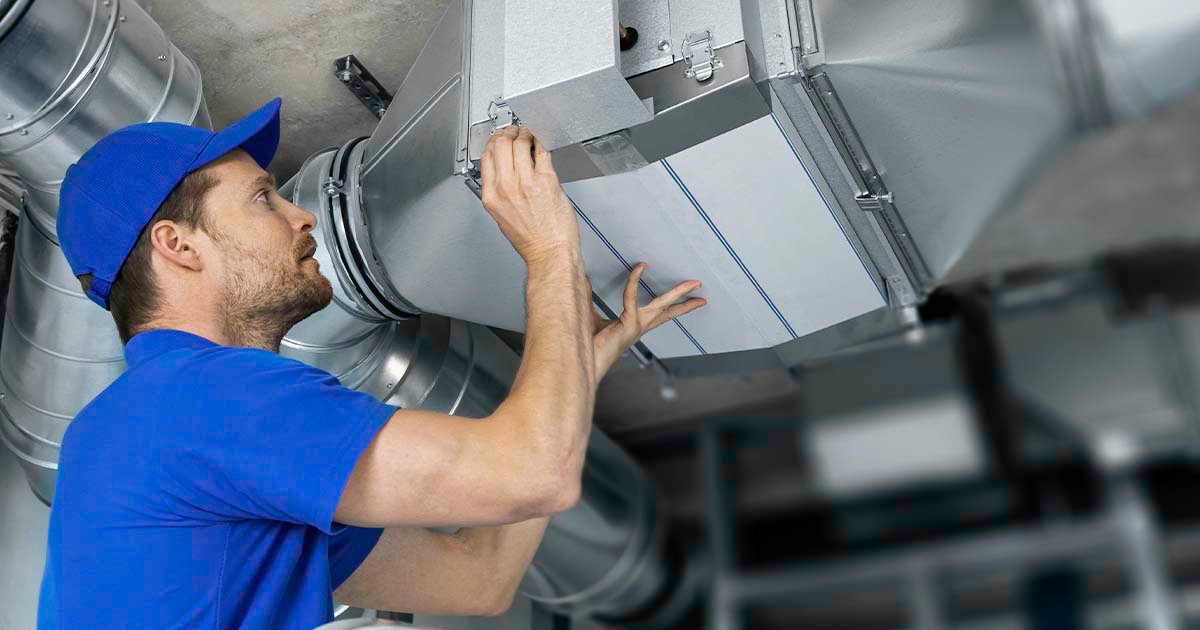
Performing HVAC maintenance by changing air filters

How to Prevent HVAC Breakdowns During Peak Seasons

There’s nothing worse than your air conditioner failing on the hottest day of the year. Not only is it uncomfortable, but it often leads to stressful emergency service calls and costly repairs. For Orange County residents, our “peak season” for AC stress is undoubtedly the long, sunny summer.

The good news? Most HVAC breakdowns are preventable. With some simple proactive care, you can significantly reduce the risk of your system quitting when you need it most. The team at Absolute Comfort has put together this essential guide to help you prevent disasters and keep your cool all season long.

1. Schedule Professional Preventive Maintenance (The #1 Tip!)

This is the single most effective thing you can do to prevent breakdowns. Think of it like a medical physical for your HVAC system. During a maintenance visit, our certified technicians perform crucial tasks like cleaning critical components to prevent overheating, checking refrigerant levels to avoid compressor failure, and inspecting electrical connections to catch small issues before they become big problems.

Action Item: Book your pre-season tune-up now! Don’t wait until the first heatwave when everyone else is calling.

2. Change Your Air Filters Regularly

This seems simple because it is, yet it’s the most overlooked task by homeowners. A clogged air filter restricts airflow, forcing your system to strain. This makes your blower motor work overtime, reduces efficiency, and allows dust to coat inner components, leading to premature wear and potential failure.

Action Item: Check your filter every month. During high-use seasons (summer and winter), change pleated filters every 1-3 months.

3. Keep Your Outdoor Unit Clear

Your outdoor condenser unit needs plenty of space to breathe. Restricted airflow is a primary cause of inefficiency and compressor failure. Make sure to clear away any leaves, grass clippings, and debris. Also, trim back any shrubs, vines, or plants to maintain at least 2-3 feet of clearance on all sides.

Action Item: Take a quick walk outside to visually inspect your condenser unit. Make keeping the area clear a part of your regular yard work.

4. Be Mindful of Your System’s Limits

During extreme heat, your AC is working its hardest. You can help it out by reducing its workload. Use ceiling fans to create a wind-chill effect, allowing you to set the thermostat a few degrees higher. Close blinds and curtains on sunny windows to block out radiant heat. Also, avoid generating excess heat indoors during the hottest part of the day by using the oven less.

5. Listen for Warning Signs

Your system often tells you when something is wrong. Don’t ignore these cries for help. Be on the listen for unusual noises like grinding, screeching, or banging. Pay attention to unusual smells, such as a burning electrical smell or musty odor. Also, be aware of reduced airflow, warm air coming from the vents, or a system that is frequently cycling on and off.

Addressing a small repair early is always faster and cheaper than dealing with a major breakdown later.

Don’t Gamble With Your Comfort!

The best way to ensure your peace of mind this season is with a professional maintenance service from Absolute Comfort. Our thorough tune-ups are designed to keep your system running at peak performance and efficiency, helping you avoid unexpected repairs.

Protect your comfort and your investment. Schedule your professional maintenance service online or give us a call today!

Heat Pump vs. Conventional AC: Which is the Right Choice for Your Orange County Home?

Living in Orange County means enjoying beautiful weather year-round. But when those classic SoCal heat waves hit, a reliable cooling system isn’t a luxury—it’s a necessity. If you’re considering a new HVAC installation, you’ve likely encountered two primary options: the traditional air conditioner and the versatile heat pump.

Choosing between them is a significant decision for your home’s comfort and your wallet. At Absolute Comfort Heating & Air Conditioning, we believe in empowering homeowners with the knowledge they need to make informed decisions. Let’s break down the key differences to help you determine which system is the right fit for your Orange County home.

The Basics: How Do They Work?

Conventional AC System: This is a split system. An outdoor condenser unit works with an indoor furnace to cool your home. The AC unit removes heat from inside your house and releases it outdoors. For heating, a separate furnace (typically gas) generates warmth.

Heat Pump System: A heat pump looks and functions much like an air conditioner in the summer, moving heat from inside your home to the outside. However, it has a reversing valve that allows it to reverse this process in the winter, extracting ambient heat from the outdoor air (even when it’s cool) and transferring it inside to heat your home.

Breaking Down the Key Differences

Let’s compare the two systems across the factors that matter most to homeowners: functionality, efficiency, cost, and performance in our local climate.

Functionality: All-in-One vs. A Team of Two

A heat pump is an all-in-one solution that provides both cooling and heating from a single unit. A conventional system is a team of two: an air conditioner for cooling and a separate furnace for heating.

Energy Efficiency: The Winner for Our Climate

Heat pumps are extremely efficient because they move heat rather than generate it from a fuel source. This leads to significant energy savings, especially during Orange County’s mild winters. While modern conventional ACs are efficient, the gas furnace side of the system can be less efficient than a heat pump for heating in our specific climate.

Cost: Upfront vs. Long-Term

You’ll typically find a higher initial investment for a heat pump due to the equipment and installation complexity. A conventional AC and furnace setup can often have a lower upfront cost. However, the lower operating costs of a heat pump can help offset that initial investment over time through cheaper monthly energy bills.

Performance in Orange County: A Tight Race

Both systems provide excellent cooling performance. For heating, a heat pump is perfect for our mild winters, while a gas furnace provides powerful, dry heat. For most OC homeowners, a heat pump’s performance is more than sufficient and incredibly efficient.

So, Which One is Right for You? The Orange County Verdict

For most Orange County homeowners, a heat pump is an outstanding choice. Our climate is ideal for its operation. You get incredibly efficient cooling for the summer and highly efficient heating for our brief, mild winter—all from one sleek, modern unit. The year-round energy savings can help offset the higher initial investment over time.

Choose a Conventional AC System if:

  • Your home already has a relatively new and efficient gas furnace that doesn’t need replacing.
  • You prefer the powerful, instantaneous heat of a gas furnace.
  • The initial upfront cost is your primary concern.

Choose a Heat Pump if:

  • You are replacing both your aging AC and your old heater (a very common scenario).
  • You want the latest in energy-efficient technology and lower operating costs.
  • Your home uses electric resistance heat (like old electric furnaces or baseboard heaters)—a heat pump will save you a tremendous amount on your heating bills.
  • You value having a single, streamlined system for both comfort needs.

The Most Important Factor: Professional Installation

No matter which option you choose, the quality of the installation is just as important as the quality of the equipment. Improper sizing or installation can drastically reduce efficiency, comfort, and system lifespan.

Ready to Find Your Perfect Match?

The best way to know for sure is to have an expert evaluate your home. The team at Absolute Comfort specializes in helping Orange County homeowners navigate this exact decision. We’ll assess your home’s layout, insulation, existing ductwork, and your comfort preferences to provide a personalized recommendation.

Schedule Your Free, No-Obligation Installation Consultation Today!

Make an informed investment in your year-round comfort. Contact Absolute Comfort to speak with an expert and get a precise quote tailored to your home.

How to Cut Energy Costs with an Efficient HVAC System

How to Cut Energy Costs with an Efficient HVAC System

In today’s world, rising energy costs can take a toll on household budgets. Many homeowners are searching for effective ways to reduce these expenses without sacrificing comfort. An efficient HVAC system stands out as a powerful solution, not only enhancing indoor climate control but also significantly lowering energy bills.

Upgrading to a more efficient heating and cooling system can lead to substantial savings over time. With advancements in technology, modern HVAC systems offer improved performance and energy efficiency, making them a smart investment. Understanding how to optimize these systems can empower homeowners to make informed choices that benefit both their wallets and the environment.

Understanding HVAC Systems

HVAC systems are essential for regulating indoor climate and enhancing energy efficiency in homes. Proper knowledge of these systems aids homeowners in making informed decisions about energy savings.

What is an HVAC System?

An HVAC system stands for Heating, Ventilation, and Air Conditioning. It controls indoor temperature, humidity, and air quality. HVAC systems manage environmental comfort by providing heating in winter and cooling in summer while ensuring good airflow. Modern systems often feature programmable thermostats, sensors, and zoning capabilities that enhance energy efficiency.

Components of an HVAC System

  • Heating Units: These include furnaces and heat pumps, which generate warmth. Furnaces utilize gas, oil, or electricity, while heat pumps transfer heat from outside to inside.
  • Cooling Units: Air conditioners and heat pumps fall into this category. Air conditioners remove heat from indoor air, while heat pumps can efficiently provide both heating and cooling.
  • Ventilation Systems: They maintain air quality by circulating fresh air and expelling stale air. Common methods include natural ventilation and mechanical ventilation.
  • Ductwork: Ducts distribute heated or cooled air throughout the home. Proper design and maintenance of ductwork enhance efficiency and comfort.
  • Thermostats: These control the HVAC system by regulating temperature settings. Smart thermostats provide enhanced features, including schedule adjustments and remote access.

Understanding these components helps homeowners select the right HVAC systems tailored to their needs, promoting energy efficiency and comfort.

Benefits of an Efficient HVAC System

Efficient HVAC systems offer substantial advantages for homeowners looking to reduce energy costs while enhancing comfort. These systems not only lower utility bills but also contribute positively to the environment.

Energy Savings

Energy-efficient HVAC systems significantly reduce energy consumption, often resulting in lower monthly energy bills. These systems utilize advanced technology, such as variable speed motors and smart thermostats, to operate more efficiently. Homeowners can expect energy savings of up to 30% compared to traditional models. Investing in Energy Star-rated units ensures optimal performance and long-term savings through reduced energy use.

Environmental Impact

Efficient HVAC systems minimize carbon footprint by consuming less energy and thus decreasing greenhouse gas emissions. As energy production often relies on fossil fuels, reducing energy consumption translates to lower emissions. Additionally, newer systems use refrigerants with a lower global warming potential, further decreasing environmental impact. Installing an efficient HVAC system aligns with efforts to promote sustainability and protect the environment.

Key Features of Energy-Efficient HVAC Systems

Energy-efficient HVAC systems incorporate several advanced features that significantly lower energy costs while enhancing comfort. Understanding these features enables homeowners to make better choices for their heating and cooling needs.

SEER Ratings

Seasonal Energy Efficiency Ratio (SEER) ratings measure the cooling efficiency of air conditioners and heat pumps. Higher SEER ratings indicate greater efficiency, with modern units typically ranging from 14 to 25. For example, a unit with a SEER rating of 16 uses approximately 13% less energy than a unit rated at 14. Choosing an HVAC system with a higher SEER rating leads to reduced energy consumption and lower monthly utility bills. The U.S. Department of Energy recommends selecting systems with SEER ratings above 16 for optimal efficiency.

Smart Thermostats

Smart thermostats enhance HVAC efficiency by optimizing energy usage based on schedule and preferences. These devices learn homeowners’ routines, automatically adjusting temperatures for peak efficiency. For instance, when a home is unoccupied, a smart thermostat can reduce heating or cooling demand, saving energy. Many models offer remote access via smartphone apps, enabling users to adjust settings from anywhere. Installing a smart thermostat can result in energy savings of up to 10-15% annually, making it a valuable addition to any energy-efficient HVAC system.

Tips on Implementing Energy Efficiency

Implementing energy efficiency in HVAC systems requires actionable strategies that homeowners can follow. These tips help reduce energy costs and enhance system performance.

Regular Maintenance

Regular maintenance of HVAC systems ensures optimal performance and energy efficiency. It includes tasks like changing air filters every 1-3 months, cleaning condensate drains, and scheduling professional inspections at least once a year. During inspections, technicians examine components for wear, check refrigerant levels, and ensure system calibrations. Homeowners should also keep condenser coils clean and free of debris to enhance airflow and cooling efficiency. Scheduling routine maintenance not only reduces energy consumption but also extends the life of the HVAC system.

Upgrading Equipment

Upgrading HVAC equipment significantly boosts energy efficiency. Homeowners should consider replacing aging units with Energy Star-rated models that meet strict efficiency standards. Modern heating and cooling systems, featuring variable speed technology and advanced compressors, operate more efficiently than older models. Homeowners should also evaluate smart thermostats, which adjust temperature settings based on real-time data. Investing in high-efficiency equipment results in lower utility bills while improving indoor comfort.

Conclusion

Investing in an efficient HVAC system is a proactive step toward cutting energy costs while enhancing home comfort. By embracing modern technology and energy-efficient features, homeowners can significantly reduce their utility bills and environmental impact. Regular maintenance and smart upgrades play a crucial role in maximizing these benefits.

Choosing systems with high SEER ratings and utilizing smart thermostats not only optimizes energy usage but also aligns with sustainability goals. As energy prices continue to rise, making informed HVAC choices is essential for both financial savings and a greener future. Homeowners who prioritize efficiency will enjoy lasting comfort and reduced expenses for years to come.

Frequently Asked Questions

What is HVAC, and why is it important for homeowners?

HVAC stands for Heating, Ventilation, and Air Conditioning. It regulates indoor climate, ensuring comfortable temperatures, humidity control, and air quality. Efficient HVAC systems are crucial for managing energy costs and maintaining a pleasant home environment.

How can upgrading to energy-efficient HVAC systems save money?

Upgrading to modern, energy-efficient HVAC systems can lead to significant long-term savings on utility bills. These systems can reduce energy consumption by up to 30% compared to traditional models, resulting in lower operating costs over time.

What features should I look for in an energy-efficient HVAC system?

When selecting an energy-efficient HVAC system, look for high Seasonal Energy Efficiency Ratio (SEER) ratings, preferably above 16, and consider smart thermostats. These features enhance efficiency and adaptability, optimizing energy use based on your preferences.

How can regular maintenance improve HVAC efficiency?

Regular maintenance, including changing air filters and scheduling annual inspections, ensures that HVAC systems operate optimally. This practice helps prevent energy waste, prolongs system life, and enhances overall efficiency, leading to reduced energy costs.

Performing HVAC maintenance by changing air filters

Top Reasons Your Furnace Won’t Turn On (And How to Fix It)

As winter approaches, the last thing anyone wants is a furnace that refuses to turn on. A malfunctioning heating system can lead to uncomfortable temperatures and increased energy bills. Understanding why a furnace might fail to start is crucial for homeowners looking to maintain a cozy environment during the cold months.

Common issues range from simple thermostat problems to more complex electrical failures. Identifying these problems early can save time and money, ensuring a warm home when it’s needed most. This article explores the top reasons your furnace won’t turn on and offers practical solutions to get it running again.

Common Causes of Furnace Failures

Furnaces can fail to turn on for several reasons. Understanding these issues helps homeowners in Orange County identify problems early and ensure efficient heating.

Thermostat Issues

Thermostat problems often trigger furnace failures. Dead batteries can prevent proper operation. Users should check battery levels and replace them if necessary. Incorrect temperature settings can also lead to malfunction. Adjusting the thermostat to the desired temperature might resolve the issue. Additionally, a malfunctioning thermostat may require replacement.

Power Supply Problems

Power supply issues commonly disrupt furnace operation. Circuit breakers may trip due to overload, cutting power to the unit. Homeowners should inspect the breaker box and reset any tripped breakers. Faulty electrical components can also cause power failures. It’s essential to check for damaged wires or connections that might require professional repair.

Clogged Filters

Clogged filters can obstruct airflow, leading to overheating and shutdowns. Filtration systems should be checked monthly during the heating season. Replacing filters every 1-3 months, depending on usage, maintains optimal airflow. Ignoring clogged filters may result in more severe furnace damage, leading to costly repairs.

Safety Features to Consider

Understanding safety features in a furnace is crucial for its proper operation. These components prevent malfunctions and ensure safe heating in homes.

Limit Switches

Limit switches serve as crucial safety devices that monitor furnace temperature. When the furnace overheats, limit switches trigger an automatic shutdown to prevent damage or fire hazards. Homeowners should check this component if the furnace won’t turn on; a malfunctioning limit switch could inhibit operation. Regular maintenance can ensure that limit switches function properly, preventing issues before they arise.

Flame Sensors

Flame sensors detect the presence of a flame in the furnace. If they malfunction or become dirty, they can falsely signal the system to shut down, preventing heat generation. Cleaning or replacing the flame sensor can restore furnace operation, ensuring it safely ignites and maintains heat. Regular checks of flame sensors help maintain efficiency and safety, allowing for prompt heating when needed.

Troubleshooting Steps

Troubleshooting a furnace that won’t turn on requires systematic checks to identify the issue. Here are essential steps to follow for effective diagnostics.

Checking the Thermostat

Checking the thermostat remains the first step. Ensure it’s set to heating mode and the desired temperature exceeds the current room temperature. If it runs on batteries, replace them if low. Inspect the wiring for loose connections. Clean the thermostat to remove dust or debris that could interfere with its operation.

Inspecting the Air Filter

Inspecting the air filter is crucial for proper furnace function. Locate the filter and examine its condition. If it’s dirty or clogged, replace it to improve airflow and efficiency. A clean filter reduces strain on the system and prevents overheating, enhancing overall performance.

Examining the Power Source

Examining the power source is vital for diagnosis. Check the circuit breaker for any tripped switches. Reset tripped breakers if needed. Verify that the furnace is plugged in, and ensure the power switch is on. If discrepancies persist, consulting a qualified electrician may be necessary to address electrical issues.

When to Call a Professional

Recognizing when to call a professional can prevent further damage and ensure safety. Homeowners shouldn’t hesitate to seek expert help if they observe any troubling signs or require complex repairs.

Signs of Major Issues

  • Unusual Noises: Persistent banging, clanging, or screeching noises indicate mechanical problems that require professional attention.
  • Frequent Cycling: Rapid on-and-off operation suggests underlying issues such as a malfunctioning thermostat or limit switch that needs expert diagnostics.
  • Foul Odors: Strange smells, particularly burning or gas odors, warrant immediate professional evaluation for safety reasons.
  • Inconsistent Heating: Uneven temperatures throughout the home may point to ductwork issues or problems with the furnace itself, indicating a need for specialized assistance.
  • Age of the Furnace: Furnaces older than 15 years often experience more frequent failures. Consulting a professional might identify whether a repair or replacement is necessary.

Benefits of Professional Help

  • Expert Knowledge: Professionals possess in-depth knowledge of various heating systems, enabling them to diagnose issues accurately.
  • Safety Assurance: Professionals can address hazardous situations, such as gas leaks or electrical failures, ensuring the safety of the home.
  • Preventative Maintenance: Professional services can provide routine maintenance, extending the life of the furnace and increasing efficiency.
  • Warranty Protection: Professional repairs often maintain manufacturer warranties, protecting homeowners from future repair expenses.
  • Time-Saving Solutions: Professionals can complete repairs swiftly and efficiently, minimizing discomfort during cold weather while reducing the risk of recurrent issues.

Conclusion

Understanding the reasons why a furnace won’t turn on is essential for maintaining a comfortable home during winter months. By identifying common issues early homeowners can avoid unnecessary discomfort and high energy costs. Simple checks like adjusting the thermostat or replacing a dirty filter can often resolve problems quickly.

When faced with more complex issues such as electrical failures or malfunctioning safety features it’s crucial to seek professional assistance. Staying proactive with regular maintenance not only ensures efficient heating but also enhances safety. With the right approach homeowners can keep their furnaces running smoothly and enjoy a warm, cozy environment all winter long.

Frequently Asked Questions

Why won’t my furnace turn on?

There are several reasons your furnace may not turn on, including thermostat issues, power supply problems, or a clogged air filter. Start by checking if the thermostat is set to heating mode and if the desired temperature is above the room temperature. Also, inspect the power source and ensure all circuits are functioning.

How do I check my thermostat?

To check your thermostat, ensure it is set to the heating mode and that the temperature set is higher than the current room temperature. If it has batteries, consider replacing them. Make sure the thermostat is properly connected to the furnace.

What should I do if the furnace is not getting power?

If your furnace isn’t getting power, first check the circuit breaker to make sure it hasn’t tripped. Ensure that the furnace is plugged in, as a loose connection could be the issue. If problems persist, consult an electrician.

How often should I change my air filter?

You should change your air filter at least every 1-3 months during heating seasons. A clean filter improves airflow, enhances efficiency, and prevents the furnace from overheating, reducing the risk of malfunctions.

When should I call a professional for furnace issues?

Call a professional if you notice unusual noises, frequent cycling, or foul odors coming from your furnace. It’s also wise to consult an expert if the furnace is over 15 years old or showing inconsistent heating. Regular maintenance can help prevent serious issues.

What are limit switches and flame sensors?

Limit switches monitor the furnace’s temperature and automatically shut it down if it overheats, preventing damage. Flame sensors detect if a flame is present; if dirty or malfunctioning, they can stop the furnace from operating. Regular maintenance of these components is essential for safe operation.

How can I prevent furnace problems?

Regular maintenance is key to preventing furnace issues. Schedule annual inspections, change air filters frequently, and keep the vents clear of debris. Regularly check and replace batteries in your thermostat to ensure proper functioning.

What can I do for simple furnace troubleshooting?

Start troubleshooting by checking the thermostat settings and replacing batteries if needed. Examine the air filter for clogs and inspect the circuit breaker and power source. If the problem persists, or if you’re unsure, consider contacting a professional for assistance.

The Best Thermostat Settings for Maximum Comfort and Energy Efficiency Year-Round

Finding the perfect balance between comfort and energy efficiency can be a challenge, especially when it comes to thermostat settings. With fluctuating temperatures and rising energy costs, knowing how to optimize these settings can make a significant difference in both comfort levels and monthly bills.

Understanding the best thermostat settings can help homeowners create a cozy environment while minimizing energy waste. Whether it’s summer or winter, simple adjustments can lead to substantial savings and a more pleasant living space. This guide will explore the ideal thermostat settings that cater to both comfort and efficiency, ensuring a home that feels just right all year round.

Understanding Thermostat Basics

Thermostats play a crucial role in regulating indoor temperatures. They maintain comfort while optimizing energy usage.

What Is a Thermostat?

A thermostat is a device that automatically controls heating and cooling systems. Key types include:

  • Mechanical Thermostats: Simple, cost-effective options that use a bimetallic strip to sense temperature changes.
  • Digital Thermostats: Provide precise temperature settings and often include programmable features.
  • Smart Thermostats: Learn user preferences over time and can be controlled remotely via smartphone applications.

How Thermostats Work

Thermostats monitor indoor temperatures and communicate with HVAC systems. They operate through a feedback loop, where:

  • Temperature Sensors: Detect current indoor temperatures.
  • Setpoint Temperature: Users set a desired temperature, which serves as a reference.
  • Control Signals: When the temperature deviates from the setpoint, the thermostat sends signals to the heating or cooling system to activate or deactivate.

This process ensures that indoor environments remain comfortable while conserving energy.

The Best Thermostat Settings for Different Seasons

Optimal thermostat settings vary by season, ensuring comfort and energy efficiency year-round. Adjusting settings during winter and summer helps maintain a pleasant indoor environment while minimizing energy costs.

Winter Settings for Comfort and Efficiency

For winter, setting the thermostat at 68°F (20°C) during the day offers a balance of warmth and energy savings. Lowering the thermostat to 60°F (16°C) at night or when away helps save on heating costs. Utilizing a programmable thermostat enables automatic adjustments, maintaining optimal temperatures without manual changes. Adding additional layers or using warm blankets can enhance comfort, allowing for a slight decrease in heating.

Summer Settings for Comfort and Efficiency

During summer, setting the thermostat at 78°F (26°C) while at home provides comfort while keeping energy use low. When away, increasing the thermostat to 85°F (29°C) helps reduce cooling costs further. Utilizing ceiling fans in conjunction with air conditioning creates a wind-chill effect, enhancing perceived coolness without lowering the thermostat. Regular maintenance of AC units, including filter changes, ensures optimum performance and efficiency, contributing to a comfortable indoor environment.

Tips for Maximizing Comfort and Efficiency

Maximizing comfort and efficiency involves simple strategies that homeowners can implement. Adjusting thermostat settings appropriately leads to significant energy savings while maintaining a pleasant living environment.

Programming Your Thermostat

Programming the thermostat allows for consistent temperature management throughout the day. Set specific schedules for different times, such as lower temperatures during work hours or higher temperatures when returning home. For optimal savings, select a morning setting of 68°F (20°C), and increase it to 70°F (21°C) in the evening. Ensure the settings align with daily routines, as modified programs contribute to lower energy bills.

Utilizing Smart Thermostats

Utilizing smart thermostats provides advanced control over home temperatures. These devices can learn individual habits and adjust settings automatically, ensuring efficiency without sacrificing comfort. For instance, a smart thermostat might lower the temperature when no one is home and raise it shortly before occupants return. Many smart models can be controlled remotely via smartphones, allowing adjustments even when away. Additionally, energy usage reports from smart thermostats help identify patterns, enabling smarter choices and further reducing energy consumption.

Common Mistakes to Avoid

Homeowners often encounter pitfalls in their thermostat settings that reduce comfort and efficiency. Recognizing these common mistakes can lead to better temperature control and lower energy bills.

Incorrect Temperature Settings

Setting the thermostat too high or too low impacts both comfort and utility costs. Many homeowners set their thermostats to 72°F (22°C) during winter nights or 70°F (21°C) on summer days. These settings may cause excessive energy consumption. Instead, a balanced approach of 68°F (20°C) in winter and 78°F (26°C) in summer optimizes comfort while saving energy. Frequent adjustments also confuse older thermostats, leading to inconsistent temperatures. Using programmable or smart thermostats helps maintain ideal conditions automatically.

Neglecting Regular Maintenance

Failing to perform routine maintenance on heating and cooling systems affects efficiency and lifespan. Dirty filters, blocked vents, and neglected coils can reduce airflow and increase energy usage. Regular maintenance, including filter changes every 1-3 months and professional servicing annually, ensures systems operate efficiently. A well-maintained system provides consistent temperatures and prolongs equipment life, preventing costly breakdowns. Homeowners should prioritize these maintenance tasks to enhance performance and comfort.

Conclusion

Finding the right thermostat settings is essential for achieving both comfort and energy efficiency. By implementing the recommended settings for each season and leveraging the capabilities of smart thermostats, homeowners can enjoy a cozy living environment while significantly reducing energy costs.

Regular maintenance of heating and cooling systems plays a crucial role in optimizing performance. By avoiding common thermostat mistakes and adhering to a balanced approach, individuals can ensure their homes remain comfortable year-round.

With a little effort and the right strategies, maximizing comfort and efficiency is within reach.

Frequently Asked Questions

What are the ideal thermostat settings for winter?

For winter, it’s recommended to set your thermostat to 68°F (20°C) during the day. When you’re away or at night, lowering it to 60°F (16°C) can help you save on heating costs while maintaining comfort.

What thermostat setting is best for summer?

In summer, the ideal setting is 78°F (26°C) when you are at home. If you’re away, increasing the setting to 85°F (29°C) can significantly reduce cooling costs.

How do smart thermostats enhance energy efficiency?

Smart thermostats learn your habits and automatically adjust the temperature based on your daily routine. This feature optimizes energy use and provides insights into your energy consumption, helping you save money.

Why is thermostat maintenance important?

Regular maintenance is crucial for heating and cooling systems to operate efficiently. Tasks like changing filters and servicing the units can prolong their lifespan while improving performance and reducing energy usage.

Understanding the Cost of Heater Replacement

Are you considering heater replacement in Costa Mesa? It is important to understand the cost of heater installation and repair before making a decision. Heating systems can be expensive, so it’s essential to know what you’re getting into before signing on the dotted line. In this article, we will explore the different types of heater replacement and repair services available in Costa Mesa as well as their associated costs. We will also discuss some tips for finding reliable heater contractors who offer quality services at reasonable prices. By understanding all your options and researching contractor rates, you can make an informed decision that fits both your budget and your needs.

In Costa Mesa, heater replacement can cost a lot of money. But if you do it right, it can give you a feeling of peace and make your home nice and cozy. It’s important to know what the cost is made up of so that you get the best value for your money.

The cost of heater replacement in Costa Mesa is largely dependent on the size and type of heater you choose. If you opt for a more expensive heater with higher efficiency, you can expect to pay more. The installation costs also play a major role and should be taken into consideration when budgeting for heater replacement. The labor costs associated with replacing an old heater with a new one will vary based on the complexity of the job as well as any necessary repairs that need to be made.

The cost of heater replacement in Costa Mesa may also include additional fees such as permits or inspections if required by the local code. It’s important to research all possible expenses before making your final decision so that you can accurately budget for heater replacement.

Heater replacement in Costa Mesa can be an expensive endeavor, but with proper planning and research, you can ensure that your heater replacement is done correctly and provides you with the comfort and efficiency you deserve. Understanding the cost of heater replacement will go a long way in helping you make the best decision for your home.

Absolute Comfort specializes in heater replacement in Costa Mesa and offers quality services at reasonable prices. We use only the highest-quality parts and materials to ensure that your heater provides lasting comfort and efficiency. With our experienced technicians, Absolute Comfort can provide an accurate assessment of what type of heater is best for you and your home. Additionally, we offer detailed estimates so that you can budget accordingly for heater replacement. Our commitment to customer satisfaction sets us apart from other heating contractors as it guarantees that customers are always satisfied with our service and repairs. For reliable heater replacement in Costa Mesa at competitive rates, Absolute Comfort is the best choice!

Newport Beach sunset

Our Favorite Local Spots In Newport Beach

With its stunning coastline, vibrant community, and many attractions, Newport Beach is a haven for residents and visitors alike. As a local HVAC company in Newport Beach, Absolute Comfort strives to support other local businesses each and every day. Our team is full of Orange County natives who value uplifting and supporting other members of our community. Whether you’re a foodie, beach lover, or nature enthusiast, there are many things to do in Newport Beach. Below are some must-try local places that we at Absolute Comfort enjoy and want to share with you.

Local Restaurants In Newport Beach

One of the many things we love about Newport Beach is the variety of food options. Restaurants offer a range of cuisines guaranteed to address your culinary needs. Check out the following dining options recommended by the Absolute Comfort team.

Beachcomber Café

Nestled right on Crystal Cove State Park’s sands, Beachcomber Café offers an idyllic dining experience. Relish the picturesque ocean views while savoring their delectable seafood dishes and innovative cocktails. It’s an excellent spot for brunch or a romantic dinner under the stars.

The A Market

For a delightful gourmet experience, A Market is a must-visit. This local eatery features a vast array of fresh produce, artisanal cheeses, and house-made treats. Whether you’re in the mood for a delicious sandwich or a refreshing salad, A Market’s offerings will leave you craving more.

Newport Landing Restaurant

Newport Landing Restaurant has provided great seafood options to Newport Beach for over 30 years. The Newport Landing team is dedicated to serving fresh products and locally sourced produce for all their customers to enjoy. After a long day of AC repair in Newport Beach, the Absolute Comfort technicians enjoy soaking in the views and dining at Newport Landing!

Nature Escapes In Newport Beach

There is always something to do in Newport, especially when the weather is warm! When our expert technicians and office staff aren’t performing AC repair in Newport Beach, the following places are where you can find us!

Corona del Mar State Beach

With its soft sandy shores and gentle waves, Corona del Mar State Beach is the ideal place to relax and unwind. Spend the day sunbathing, picnicking, or exploring the tide pools with your family.

Upper Newport Bay Nature Preserve

If you’re a nature enthusiast, the Upper Newport Bay Nature Preserve is a haven for birdwatchers and hikers. Explore the trails, kayak through the bay, or enjoy the serene surroundings.

Things To Do In Newport Beach: Local Festivals and Events

Our technicians work hard to ensure you have a comfortable home. When we are not busy providing AC repair and maintenance services in Newport Beach, we join the masses to celebrate the following festivals and events.

Newport Beach Film Festival

Every spring, the Newport Beach Film Festival brings a diverse selection of films from around the world to the city. Enjoy screenings, Q&A sessions with filmmakers, and the chance to appreciate the art of cinema.

Newport Beach Christmas Boat Parade

The Newport Beach Christmas Boat Parade is a sight to behold during the holiday season. Marvel at lavishly decorated boats sailing along the harbor, spreading cheer and festive vibes.

Sawdust Festival

The Sawdust Festival is an annual art festival featuring summer and winter events. Both the Sawdust Art Festival, which happens in the summer, and the Winter Fantasy, which happens in the winter, display various forms of art produced by 180 international artists. The Sawdust Festival is always a fun thing to do in Newport Beach no matter the season!

Local Businesses In Newport Beach

Local businesses are a part of our thriving community. Here are some of our favorites:

  • Roger’s Gardens: Wander through this incredible nursery’s gardens and pathways or browse in their supply store. There is something for everyone at this beautiful location.
  • Creme Tangerine: Buy, sell, or trade your records, tapes, music memorabilia, or more. Take a trip down memory lane as you explore their large collection.
  • Absolute Comfort: As the leading HVAC company in Newport Beach, we can ensure comfort in your living spaces as you enjoy all that Newport Beach offers.

We hope you’ve enjoyed learning about all our local Newport Beach gems. And if you need our extensive knowledge and excellent services at competitive rates, contact Absolute Comfort today. Enjoy quality AC repair in Newport Beach at competitive market rates.